
Stylish window decor transcends mere functionality, transforming spaces into captivating environments. From the subtle interplay of light and shadow to the bold statement of a dramatic curtain, the right window treatment can elevate any room’s aesthetic appeal. This guide delves into the multifaceted world of window decor, exploring styles, materials, and trends to empower readers to create personalized, beautiful, and functional window treatments.
Key considerations include the room’s overall design, the interplay of colors and light, and the strategic use of materials to evoke desired moods. The guide provides a structured approach, using tables and lists to systematically present the different aspects of stylish window decor, from basic principles to advanced applications.
Introduction to Stylish Window Decor
Stylish window decor transcends mere functionality; it’s a powerful design element that significantly impacts a room’s ambiance and overall aesthetic. From minimalist modern to opulent baroque, the choices available reflect personal taste and the prevailing interior design trends. Effective window treatments not only enhance light management and privacy but also define the space, setting a tone for the entire room.
This approach considers how materials, colors, and features interact with the surrounding environment to create a harmonious and inviting atmosphere.A well-considered window treatment strategy considers the interplay of light, shadow, and texture. The chosen style should complement the room’s existing design, including furniture, wall colors, and floor coverings. A carefully selected window treatment can transform a space, making it feel more spacious, intimate, or dramatic.
The selection process should account for factors like natural light, desired privacy, and the room’s overall function. Ultimately, stylish window decor elevates a space, adding a layer of sophistication and personal expression.
Key Elements Influencing Stylish Window Decor Choices
Several key elements drive the decision-making process in selecting stylish window decor. These include the room’s specific needs, the overall design scheme, and the desired ambiance. Understanding the relationship between these elements is critical to achieving a harmonious and visually appealing result. Natural light, privacy concerns, and the room’s function all play significant roles in shaping the optimal choice.
Importance of Room Aesthetics and Interior Design
Considering room aesthetics and interior design is crucial when choosing window treatments. Matching the style of the window treatment to the existing décor creates a cohesive and harmonious aesthetic. For instance, a modern minimalist interior might benefit from sheer curtains in neutral tones, while a traditional space might feature heavier, patterned drapes. The selection must be consistent with the overall color palette, furniture style, and architectural features.
Disregarding these factors can result in a visually jarring and disharmonious space.
Categorizing Window Decor Styles
To illustrate the diverse options available, a table categorizing window decor styles by style, materials, colors, and features provides a structured overview. This table offers a concise guide to understanding the variations in window treatments and the considerations for each style.
| Style | Materials | Colors | Features |
|---|---|---|---|
| Modern Minimalist | Sheer fabrics, linen, bamboo | Neutral tones (whites, grays, beiges), black accents | Clean lines, simple silhouettes, focus on natural light |
| Traditional | Heavy drapes, velvet, jacquard | Rich colors (emerald green, deep blues, golds), floral patterns | Full-length curtains, decorative trims, intricate details |
| Contemporary | Silk, metallic fabrics, textured materials | Bold colors, geometric patterns, metallic accents | Sleek silhouettes, emphasis on modern design, layered textures |
| Rustic | Cotton, linen, wood blinds | Earthy tones (browns, greens, creams), natural patterns | Warm, inviting feel, natural materials, often paired with exposed beams |
Types of Window Treatments
Beyond aesthetics, window treatments significantly impact a space’s energy efficiency, privacy, and light control. Choosing the right treatment requires careful consideration of the specific needs of each room and the characteristics of the windows themselves. Understanding the diverse options available is crucial for achieving optimal results.
Curtains and Draperies
Curtains and draperies offer a versatile and stylish solution for window coverings. They come in a wide array of fabrics, colors, and patterns, allowing for significant customization and aesthetic integration into any design scheme. Heavy fabrics like velvet or linen can effectively insulate against heat and cold, while sheer fabrics allow natural light to filter through. Their primary advantage lies in their ability to transform a space through color, texture, and pattern.
However, they require more maintenance than other options, often needing professional cleaning or specialized care depending on the fabric. Proper care is essential to maintain their aesthetic appeal over time. Window treatments should complement the architectural style of the building and the overall interior design. For example, in a modern minimalist setting, sheer curtains might be ideal, while in a traditional or bohemian style, heavy, patterned draperies might be more appropriate.
Blinds
Blinds, including Venetian, Roman, and roller blinds, provide excellent light control and privacy. They are generally easier to maintain than curtains and often more budget-friendly. Venetian blinds, with their horizontal slats, offer precise light filtering. Roman blinds, with their elegant folds, provide a touch of sophistication. Roller blinds are a contemporary choice, offering a clean aesthetic and straightforward operation.
The durability of blinds varies depending on the material. Wooden blinds, for instance, are known for their longevity but require more maintenance. The best choice often depends on the specific window size and shape. Large windows might benefit from the versatility of roller blinds, while smaller windows might be suited to Venetian or Roman blinds.
Shades
Shades, such as cellular or honeycomb shades, are exceptionally effective at insulating windows. Their unique structure traps air, significantly improving energy efficiency. This characteristic is particularly advantageous in climates with extreme temperatures. Cellular shades also excel at light control, offering precise adjustments to light penetration. While shades often require less maintenance than curtains, the fabric can still be affected by moisture or spills.
The durability of the material can vary, with some shades being more prone to damage than others. Cellular shades are ideal for rooms that need enhanced insulation and light control, like bedrooms or home offices.
Shutters
Shutters provide a timeless and classic aesthetic. They offer excellent light control and privacy, and their durability often exceeds that of other options. Exterior shutters, often constructed from wood or composite materials, provide additional security and aesthetic enhancements to the exterior of the building. Interior shutters are commonly crafted from wood, enhancing the overall aesthetic and providing privacy and light control.
Their sturdy construction and durability make them an excellent choice for areas exposed to harsh weather or heavy use. However, their maintenance can be slightly more complex than that of other window treatments, often requiring regular cleaning and occasional repairs. They are an excellent choice for maintaining a consistent level of light control and privacy, and they are highly suitable for historic or traditional homes, adding a touch of elegance to the overall aesthetic.
Comparison Table
| Treatment Type | Advantages | Disadvantages |
|---|---|---|
| Curtains/Draperies | Versatile, customizable, aesthetic enhancement | More maintenance, potentially higher cost |
| Blinds | Easy maintenance, budget-friendly, excellent light control | Limited customization, potential for less insulation |
| Shades | Excellent insulation, precise light control | Potential for fabric damage, less aesthetic versatility |
| Shutters | Durability, excellent light control, security (exterior) | Higher maintenance, more complex installation |
Materials and Fabrics for Stylish Decor
Elevating window treatments transcends mere practicality; it’s a statement piece that dramatically impacts the overall aesthetic of a room. The choice of material and fabric plays a pivotal role in defining the ambiance, from a serene retreat to a sophisticated haven. This exploration delves into the diverse world of window treatment materials, highlighting their visual impact and how they contribute to the overall mood of a space.Selecting the right materials for window treatments is not merely about aesthetics; it’s about creating a harmonious environment that reflects the desired mood.
The tactile experience, the interplay of light and shadow, and the sheer weight or lightness of the fabric all contribute to the overall atmosphere. Consider the interplay of texture, pattern, and color to create a cohesive and stylish window treatment.
Impact of Different Materials
The selection of materials profoundly influences the look and feel of a room. Natural fibers like linen, velvet, and silk, as well as more modern options like bamboo, each offer unique characteristics. Linen, with its inherent breathability and natural texture, evokes a calming and relaxed atmosphere. Velvet, on the other hand, exudes opulence and luxury, adding a touch of sophistication to any space.
Silk’s lustrous sheen and delicate drape contribute to an air of elegance and refinement. Bamboo, with its natural strength and subtle warmth, offers a serene and earthy aesthetic, particularly suitable for contemporary or minimalist designs.
Visual Impact of Textures and Patterns
Fabric textures and patterns significantly affect the visual appeal of window treatments. The subtle drape of linen creates a soft, flowing look, while the structured, dense texture of velvet adds depth and dimension. Silk’s luxurious sheen and delicate patterns create an air of opulence. The natural striations and textures of bamboo offer a unique, earthy visual element.
Patterns, whether subtle or bold, can further amplify the desired aesthetic, ranging from delicate floral prints to geometric designs. The choice of pattern should be in harmony with the overall design theme of the room.
Material Choice and Ambiance
The material selected for window treatments profoundly shapes the ambiance of a room. A room draped in linen conveys a sense of tranquility and serenity, ideal for a bedroom or a living room designed for relaxation. Velvet, with its rich texture, creates a luxurious and sophisticated atmosphere, perfect for a formal dining room or a study. Silk, with its elegance, enhances a sense of refinement, suitable for a master bedroom or a formal living space.
Bamboo, with its natural aesthetic, contributes to a serene and modern feel, complementing contemporary or minimalist settings.
Fabric Textures and Corresponding Moods
- Linen: Calming, natural, and relaxed
- Velvet: Luxurious, sophisticated, and rich
- Silk: Elegant, refined, and luxurious
- Bamboo: Serene, modern, and earthy
Color Palettes and Combinations
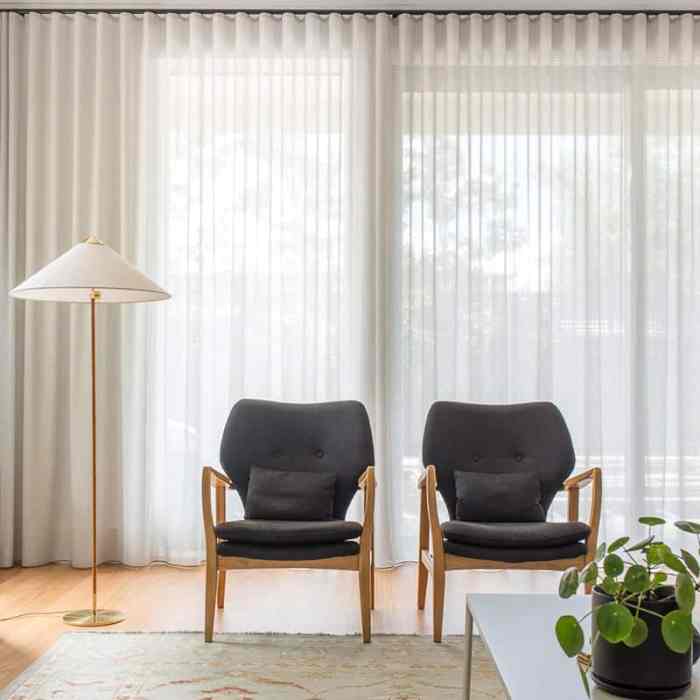
Strategic color choices for window treatments can dramatically impact a room’s ambiance and functionality. Careful consideration of color palettes, particularly in relation to window size and room style, can significantly enhance the overall aesthetic appeal and perceived spaciousness of a space. Harmonious color combinations create a cohesive and inviting atmosphere, while contrasting palettes can add visual interest and dynamism.Color psychology plays a significant role in interior design.
Different colors evoke various emotions and perceptions. For example, warm tones like reds and oranges can create a cozy and inviting atmosphere, while cool tones like blues and greens can promote a sense of calm and serenity. The interplay of color with natural light further influences the overall perception of a room.
Impact of Color on Space Perception
Color selection influences the perceived size and light levels of a room. Lighter colors, such as pastels and whites, tend to make a room feel larger and brighter, reflecting more light. Darker colors, while creating a sense of intimacy, can sometimes make a room feel smaller and potentially less bright, particularly in rooms with limited natural light. The strategic use of color can effectively address these perceptual aspects, enhancing the room’s overall ambiance.
Color Palettes for Different Room Styles
Choosing the right color palette is crucial for creating a cohesive and stylish space. A well-chosen color scheme harmonizes with the room’s style and complements the window treatments.
- Modern Minimalist: A palette of neutral tones like gray, beige, and white, with accents of a single bold color like navy or deep emerald, can create a sophisticated and uncluttered atmosphere. For window treatments, sheer white or light gray curtains with a darker accent trim can be a striking choice.
- Rustic Farmhouse: Earthy tones like warm beige, terracotta, and deep greens, combined with natural wood tones, evoke a cozy and inviting feel. Window treatments could feature linen or cotton fabrics in these colors, with possibly a woven or embroidered design to enhance the rustic theme.
- Coastal/Beach House: A palette of soft blues, whites, and sandy beiges, reminiscent of the ocean, can evoke a serene and relaxed atmosphere. Light, airy fabrics like linen or cotton in these hues, or even breezy woven shades, would complement the coastal style.
Complementary Color Combinations for Window Treatments and Walls
Color harmony in window treatments and surrounding walls is essential for a visually appealing and balanced room. Complementary colors, located opposite each other on the color wheel, create a high-contrast, vibrant effect. Analogous colors, located next to each other on the color wheel, create a harmonious and soothing feel.
| Room Style | Color Palette | Window Treatment Ideas |
|---|---|---|
| Modern Contemporary | Gray/White with accent of deep teal | Sheer white drapes with teal accent trim or teal roman shades. |
| Traditional Victorian | Soft peach/cream with accent of burgundy | Drapery in soft peach, with burgundy velvet or damask accent. |
| Bohemian | Earthy tones (terracotta, ochre) with accent of turquoise | Woven or patterned curtains in terracotta/ochre, with turquoise accents. |
Lighting and Window Decor
Natural light dramatically impacts the aesthetic and functionality of a space, and window treatments play a crucial role in harnessing or modulating its effect. Careful consideration of light interaction with fabrics and materials is paramount for creating a well-lit and visually appealing environment. From maximizing sunlight to softening harsh glare, the interplay between light and window decor can transform a room’s atmosphere.Effective window treatments don’t just obscure or enhance light; they actively shape the ambiance of a space.
The amount and type of light filtering through directly influence the overall mood and comfort level. This interaction between light and decor is a key element in designing a truly stylish and functional space.
Impact of Different Lighting Conditions
Diverse lighting conditions necessitate varying window treatment choices. Bright, direct sunlight, for example, demands treatments that offer shade and protection from excessive heat and glare. Conversely, rooms with limited natural light benefit from treatments that maximize light penetration. The interplay of light and shade is essential for achieving the desired aesthetic and functional balance.
Natural Light Interaction with Window Treatments
The interaction between natural light and window treatments is multifaceted. Sheer curtains or blinds allow a significant amount of light to pass through, creating a bright and airy atmosphere, ideal for rooms that receive ample sunlight. Denser fabrics, like heavy drapes, diffuse and soften the light, reducing glare and creating a more intimate and relaxed environment. The choice of material directly influences the amount and quality of light that reaches the interior.
Opacity and weave density of the fabric significantly impact how light interacts with the window treatment.
Role of Window Decor in Enhancing or Diffusing Natural Light
Window decor plays a critical role in managing and manipulating natural light. Treatments with high opacity, such as blackout curtains, effectively block out light, creating a darker and more secluded atmosphere. Conversely, translucent materials, such as sheer fabrics or Venetian blinds, allow light to filter through, enhancing the brightness of the room while maintaining privacy. The strategic use of window treatments can completely transform the character of a room, from a brightly lit space to a cozy, dimly lit retreat.
This control over light allows for a tailored response to the specific needs and preferences of the space.
Maximizing Natural Light with Suitable Window Treatments
Strategic placement and selection of window treatments can significantly increase the amount of natural light entering a room. Light-colored or reflective fabrics can maximize light reflection and distribution. Using sheer curtains or blinds, particularly in rooms with limited natural light, can effectively diffuse light throughout the space. Maximizing natural light is often a key element in creating an inviting and productive space.
- Using Light-Colored Fabrics: Light-colored fabrics, such as white or cream-colored drapes or blinds, reflect more light, enhancing the brightness of a room and maximizing natural light penetration.
- Utilizing Sheer Curtains or Blinds: Sheer curtains or blinds allow natural light to filter through while maintaining privacy. This approach is particularly effective in rooms with limited natural light sources, creating a brighter and more open atmosphere.
- Strategic Placement of Window Treatments: Proper placement of window treatments can greatly influence the amount of light entering a room. Positioning treatments away from windows or using wider panels can maximize the area illuminated by natural light.
Window Decor and Interior Design Styles
Harmonizing window treatments with the overall interior design style is crucial for creating a cohesive and aesthetically pleasing space. A well-chosen window treatment can elevate a room’s ambiance, reflecting the homeowner’s personality and the desired mood. Proper consideration of style ensures a balanced and visually appealing environment.The success of a room often hinges on the careful selection of window treatments that complement the chosen interior design aesthetic.
This involves more than just choosing a pretty fabric; it’s about understanding how different styles interact and how window treatments can enhance or detract from the intended atmosphere. A thoughtful approach ensures a harmonious blend of elements, creating a space that feels both stylish and comfortable.
Complementary Window Treatments for Various Styles
Window treatments are not merely decorative; they significantly impact the overall perception of a room. Choosing the right window treatments for a particular interior design style creates a cohesive look. Incorporating elements that align with the room’s design, whether modern, rustic, or bohemian, is vital for achieving the desired effect.
Modern Style
Modern interiors often feature clean lines, minimalist aesthetics, and neutral color palettes. Window treatments in modern spaces frequently incorporate sheer curtains, blinds, or shutters. These treatments, typically in neutral tones or metallics, enhance the simplicity and sophistication of the design. For example, sleek, motorized blinds can add a touch of modern technology and convenience. Alternatively, simple, unadorned roman shades in a sophisticated fabric, such as linen or silk, offer a modern touch without being overpowering.
Rustic Style
Rustic interiors often evoke a warm and inviting atmosphere. This is achieved by incorporating natural materials and textures. Heavy drapery in natural fabrics like linen or cotton, often in earthy tones, provides a cozy and inviting ambiance. For example, linen or cotton curtains in shades of beige, brown, or gray can complement the warmth and authenticity of rustic décor.
Woven wood blinds or shutters, with their natural textures, are another excellent choice.
Bohemian Style
Bohemian style is characterized by eclecticism, vibrant colors, and a focus on layered textures. The use of multiple window treatments, such as flowing drapes with intricate patterns, can beautifully enhance this style. Alternatively, sheer curtains with patterned or textured fabrics can add a touch of bohemian flair without overwhelming the room. Drapery panels with fringe or tassels can contribute to the bohemian feel.
Coordinating Window Decor with Furniture and Accessories
A harmonious balance is crucial when integrating window treatments with furniture and accessories. The color palette, fabric textures, and overall style of the window treatments should complement the existing décor. For example, a vibrant patterned curtain can be balanced by muted-toned furniture or accessories, ensuring the room’s visual harmony. Similarly, a room with minimalist furniture benefits from subtle window treatments that enhance the design without detracting from it.
Avoiding clashes in color and pattern is paramount for a cohesive look.
Common Mistakes to Avoid
Mismatched window treatments can disrupt the visual flow and detract from the overall aesthetic. Choosing window treatments that are too ornate or overly complex for a minimalist space can look cluttered and disjointed. Conversely, overly simple treatments in a room with a rich design can appear stark and incomplete. Selecting treatments that do not complement the room’s color palette can create an unbalanced visual effect.
Considering the size and proportion of the window to the treatment is crucial. A large window may not be well-suited to a small, delicate treatment.
Table of Interior Styles and Corresponding Window Treatment Suggestions
| Interior Style | Corresponding Window Treatment Suggestions |
|---|---|
| Modern | Sheer curtains, blinds, shutters, neutral tones, simple roman shades |
| Rustic | Heavy drapery in natural fabrics, earthy tones, woven wood blinds, shutters |
| Bohemian | Multiple treatments, flowing drapes, patterned fabrics, sheer curtains, fringe or tassels |
Budget-Friendly Window Decor Ideas
Transforming your windows into stylish focal points doesn’t necessitate a hefty budget. Clever choices, resourceful repurposing, and DIY projects can create stunning window decor that reflects your personal style without emptying your wallet. Innovative approaches to window treatments and thoughtful material selections can yield impactful results.Economical strategies can deliver a significant return on investment, enhancing the aesthetic appeal and value of a space.
Affordable Materials for Window Treatments
Cost-effective materials can deliver impactful window treatments. Fabric remnants, inexpensive linen or cotton, and even recycled or repurposed materials can be used to create beautiful and functional window coverings. Thrift stores and online marketplaces offer a treasure trove of affordable fabrics and trims.
DIY Window Treatment Projects
Crafting your own window treatments is a rewarding and cost-effective approach. Simple Roman shades, curtain panels, or valances can be constructed with readily available materials. Online tutorials and readily available patterns offer clear instructions and inspiration for various projects. These DIY projects allow for personalization, tailoring the style to your exact preferences.
Repurposing Existing Items for Window Decor
A creative approach to window decor involves repurposing existing items. Old sheets, towels, or even blankets can be transformed into unique window treatments. Using repurposed materials adds a touch of personal flair and originality. This not only saves money but also fosters a sense of sustainability and creativity.
Budget-Friendly Window Decor Ideas with Estimated Costs
| Idea | Estimated Cost | Description |
|---|---|---|
| Fabric Roman Shades | $20-$50 | Use inexpensive fabric and readily available hardware to create stylish Roman shades. |
| Thrift Store Curtains | $10-$30 | Find unique and affordable curtains at thrift stores or online marketplaces. |
| Repurposed Sheet Valances | $5-$15 | Transform old bedsheets into attractive valances with simple alterations. |
| Macrame Wall Hangings | $15-$40 | Create eye-catching macrame wall hangings that can also serve as window decor. |
| Recycled Cardboard Blinds | $5-$10 | Create unique window coverings from recycled cardboard boxes. |
Note: Estimated costs are approximate and may vary depending on the specific materials and labor involved.
Window Decor for Specific Rooms
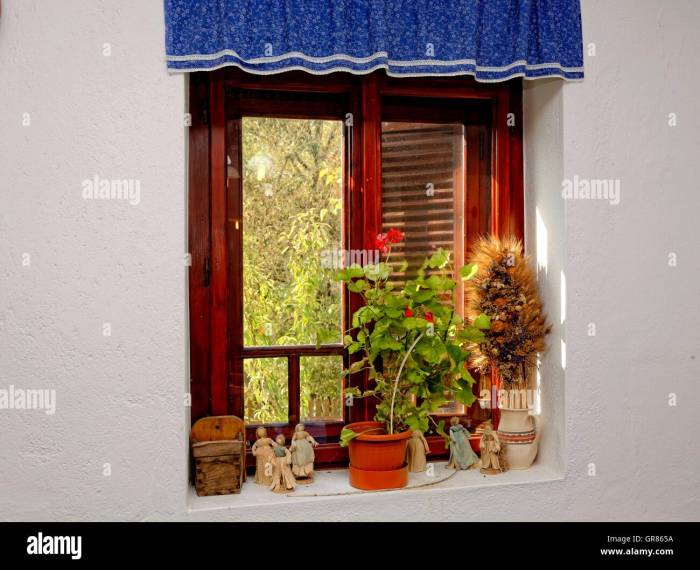
Sophisticated window treatments can transform a room’s ambiance and functionality. Beyond aesthetics, they impact light control, privacy, and even the perceived size of a space. Understanding the unique needs of each room is crucial for selecting the optimal window decor solution.
Living Room Window Treatments
The living room often serves as a central hub for relaxation and entertaining. Window treatments should complement the room’s style while maintaining functionality. Heavy drapes or sheer curtains, for instance, can create a cozy atmosphere for intimate gatherings or provide privacy for a larger space. Light-filtering shades allow for adjustable light control, important for balancing natural and artificial illumination.
The choice should harmonize with the overall design and furniture palette.
Bedroom Window Treatments
Bedrooms prioritize privacy and tranquility. Thick, blackout curtains are ideal for blocking out light and promoting restful sleep. Light-filtering options are useful for morning light. Consider room size and desired ambiance. In smaller bedrooms, sheer curtains or light-filtering shades can create an airy feel, while larger bedrooms might benefit from layered treatments for both privacy and aesthetic appeal.
Aesthetics must be balanced with the need for a comfortable and peaceful sleep environment.
Kitchen Window Treatments
Kitchens require window treatments that stand up to moisture and spills. Durable, washable materials are essential. Light-filtering shades or blinds are preferable to heavier drapes, offering both style and practicality. Consider treatments that can easily be cleaned and maintain a streamlined aesthetic. These should complement the kitchen’s existing design scheme and provide an attractive focal point.
Bathroom Window Treatments
Bathrooms need moisture-resistant window treatments. Privacy is paramount, so consider semi-sheer or opaque options. Light-filtering blinds or shades are suitable for maintaining some natural light while providing privacy. The design should coordinate with the bathroom’s overall style and color scheme, maintaining a visually cohesive space. Aesthetics are crucial, but moisture resistance must be prioritized.
| Room | Window Treatment Suggestions | Specific Needs |
|---|---|---|
| Living Room | Layered drapes, sheer curtains, light-filtering shades | Comfort, privacy, light control, entertaining |
| Bedroom | Blackout curtains, light-filtering shades, sheer curtains | Privacy, light control, restful sleep |
| Kitchen | Light-filtering shades, blinds, washable curtains | Durability, moisture resistance, ease of cleaning |
| Bathroom | Moisture-resistant blinds, semi-sheer curtains, opaque shades | Privacy, moisture resistance, light control |
Trends in Stylish Window Decor
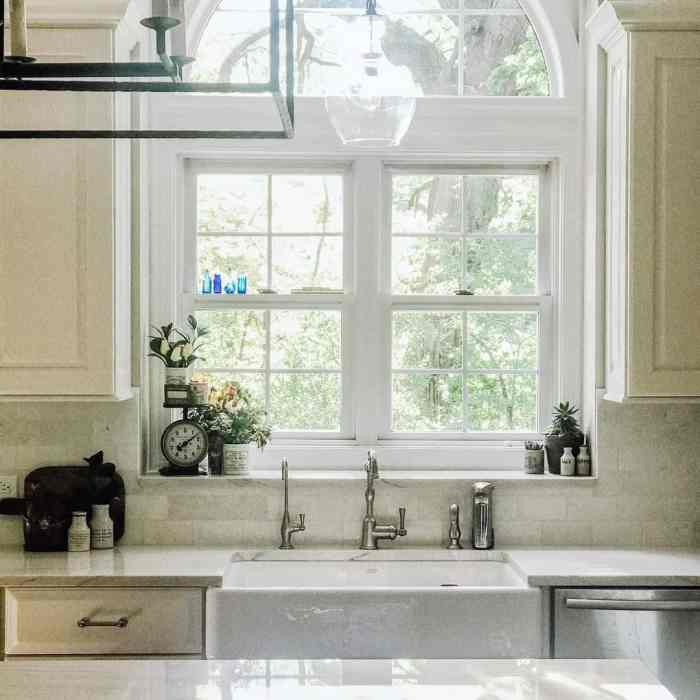
Contemporary window treatments are evolving beyond simple function, becoming key design elements that reflect personal style and enhance the overall aesthetic of a space. This shift is driven by a desire for more sophisticated and personalized living environments, with window decor playing a pivotal role in achieving this. Designers and homeowners are increasingly exploring innovative materials, colors, and styles to create truly unique and impactful window treatments.This evolution in window decor is a response to the changing demands of modern living, prioritizing both practicality and aesthetics.
From maximizing natural light to creating a cozy atmosphere, window treatments now play a multifaceted role in shaping the character of a room. This evolution extends to incorporating sustainable practices and prioritizing comfort and functionality, resulting in more innovative and thoughtful designs.
Latest Trends in Window Materials and Colors
The materials used for window treatments are undergoing a transformation, moving beyond traditional options to include innovative and sustainable choices. Recycled materials, bamboo, linen, and various sustainable fabrics are gaining popularity, reflecting a growing awareness of environmental consciousness in interior design. Color palettes are also expanding, with a greater emphasis on calming neutrals, earthy tones, and bold, jewel-toned accents.
These choices are often driven by the desire to create a tranquil and harmonious atmosphere, reflecting current trends in interior design and the increasing preference for sustainable and mindful living.
Contemporary Window Treatment Designs
Contemporary window treatment designs are characterized by clean lines, minimalist aesthetics, and a focus on functionality. Sliding panels, sheer curtains paired with blackout options, and cleverly integrated blinds are increasingly popular choices. The integration of smart technology, such as motorized blinds and light-filtering shades, further underscores the trend toward seamless technology integration in modern homes. These designs often prioritize both aesthetic appeal and practical benefits, maximizing natural light while maintaining privacy and comfort.
Evolution of Window Decor Styles Over Time
Window decor styles have undergone significant transformations throughout history. From the elaborate tapestries and heavy fabrics of the Renaissance to the sleek minimalism of the contemporary era, styles have mirrored broader societal shifts. The transition from ornate Victorian-era window treatments to the streamlined modern designs reflects evolving societal preferences and the influence of technological advancements. This evolution showcases the dynamic relationship between interior design trends and cultural shifts.
5 Trending Window Treatment Styles
- Sustainable & Natural Fabrics: This style emphasizes the use of eco-friendly materials like linen, bamboo, and recycled fabrics. The color palettes often lean towards earthy tones and muted pastels, creating a serene and natural ambiance. These materials are not only visually appealing but also reflect a growing awareness of environmental responsibility in interior design. For instance, bamboo blinds, with their inherent sustainability and stylish appearance, are becoming increasingly popular.
- Smart Technology Integration: This style involves incorporating motorized blinds, light-filtering shades, and automated window treatments. These systems offer precise control over light and privacy, often syncing with smart home ecosystems. Homeowners can remotely adjust their window treatments, creating a personalized and efficient living experience.
- Geometric Patterns & Bold Colors: This style leverages geometric patterns and bold colors to create a dramatic and eye-catching window treatment. Bold hues, combined with abstract or repeating geometric patterns, offer a striking contrast to a room’s overall aesthetic. This trend often incorporates modern art elements into window decor.
- Layered Treatments: This approach involves layering different window treatments to achieve a desired level of light control, privacy, and aesthetic appeal. For example, sheer curtains combined with blackout blinds offer both light filtering and complete darkness. This allows for a flexible approach to managing natural light and privacy within a space.
- Minimalist & Clean Lines: This style focuses on clean lines, simple silhouettes, and a neutral color palette. Minimalist window treatments often involve sheer curtains, roller shades, or sliding panels, creating a modern and uncluttered aesthetic. The design prioritizes functionality and avoids excessive embellishments.
Last Word
In conclusion, achieving stylish window decor involves careful consideration of multiple factors, from the room’s specific style to the desired ambiance. This comprehensive guide provides a framework for navigating the various aspects of window treatment selection, enabling readers to confidently create personalized and aesthetically pleasing spaces. Ultimately, stylish window decor is a powerful tool for enhancing the beauty and functionality of any room.
