
Japanese bar stools, renowned for their minimalist elegance and profound cultural resonance, offer a captivating blend of functionality and aesthetic appeal. From traditional designs steeped in history to contemporary interpretations, these stools transcend mere furniture, embodying a philosophy of thoughtful design. This exploration delves into the intricacies of Japanese bar stool aesthetics, examining the materials, shapes, colors, and cultural context that define their unique character.
This comprehensive guide provides a detailed analysis of Japanese bar stools, exploring their evolution, design principles, and practical applications. It examines the key elements that contribute to their visual allure and explores how these elements can be integrated into various interior design styles, from traditional to modern.
Defining Japanese Bar Stool Aesthetics
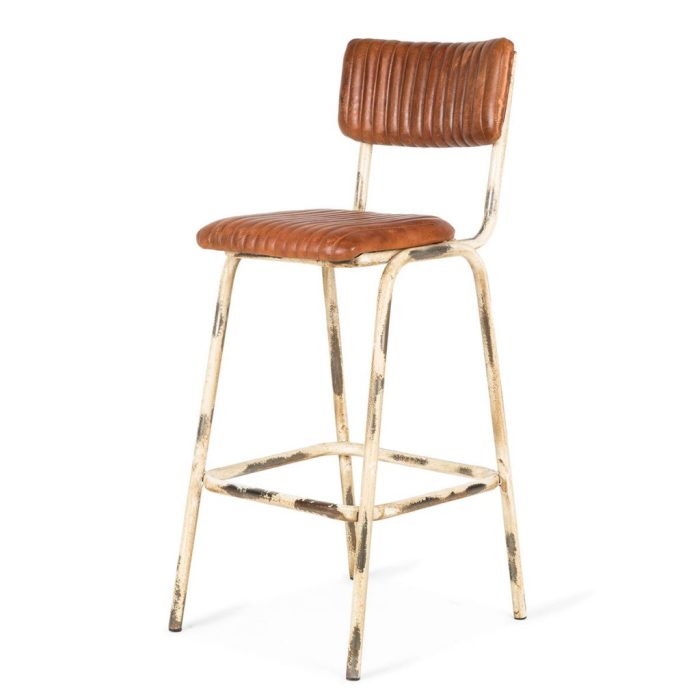
Japanese bar stools, a fusion of traditional craftsmanship and contemporary design sensibilities, offer a unique aesthetic experience. Their appeal transcends mere functionality, embodying a profound cultural connection through meticulous attention to detail, natural materials, and a timeless minimalist approach. This meticulousness extends to the smallest design elements, creating a holistic experience that resonates with a deep appreciation for Japanese aesthetics.Japanese bar stool designs frequently emphasize a sense of calm and serenity, often drawing inspiration from the principles of Zen Buddhism.
This translates into a visually appealing and tactile experience that promotes a sense of peace and quiet contemplation, making the stool a thoughtful addition to any space. These aesthetics often reflect a philosophy of understated elegance, emphasizing the beauty of simplicity and natural materials.
Aesthetic Characteristics
Japanese bar stool aesthetics are characterized by a harmonious blend of functionality and artistry. This aesthetic frequently prioritizes clean lines, minimalist forms, and a focus on natural materials like wood and bamboo. Colors are typically muted and earthy tones, reflecting the natural world. The designs often exhibit a sense of lightness and balance, emphasizing the elegance of the materials.
Design Elements
Common design elements include tapered legs, often made of natural wood like cherry or maple, showcasing the natural grain. The seats are frequently crafted from solid wood or woven bamboo, showcasing the meticulous craftsmanship. The use of natural finishes, such as oils or waxes, allows the inherent beauty of the wood to shine through. The stool’s overall silhouette is frequently designed with a sense of fluidity and grace, creating a seamless transition between the seat and legs.
The seamless integration of these elements contributes to a holistic aesthetic experience.
Materials and Colors
Materials frequently used include various types of wood, bamboo, and sometimes metal accents for a modern touch. The selection of materials is carefully considered to complement the natural environment and evoke a sense of serenity. Colors frequently align with nature, including light browns, deep grays, and muted greens. The selection of these colors further emphasizes the aesthetic’s connection to nature and the desire for a calming atmosphere.
Cultural and Historical Influences
Japanese bar stool designs draw heavily on the nation’s rich cultural and historical heritage. Traditional Japanese aesthetics, like wabi-sabi, emphasizing the beauty of imperfection and impermanence, often influence the design philosophy. This concept of appreciating the beauty of natural flaws and the transient nature of life is reflected in the subtle variations and nuanced textures of the materials used.
Furthermore, the emphasis on simplicity and minimalism in Japanese design, which prioritizes functionality and practicality, has a direct impact on the design of bar stools.
Key Visual and Tactile Qualities
Visual qualities often highlight the natural beauty of the materials. The smooth, natural curves of the wood, the delicate weave of bamboo, and the interplay of light and shadow contribute to a serene and visually captivating experience. The tactile qualities are equally important. The warm, smooth texture of the wood, the cool, natural texture of bamboo, and the carefully crafted joints contribute to a sense of comfort and quality that transcends mere functionality.
Contrasting Styles
| Style | Minimalist | Traditional |
|---|---|---|
| Form | Clean lines, simple shapes, focus on functionality | Curved lines, organic shapes, incorporating traditional craft techniques |
| Materials | Modern materials like polished steel, minimalist wood finishes | Natural materials like unpolished wood, bamboo, and woven rattan |
| Color Palette | Neutral tones, often monochromatic | Earthy tones, reflecting natural surroundings |
| Details | Emphasis on clean lines and smooth surfaces | Intricate details, highlighting craftsmanship |
Material and Construction
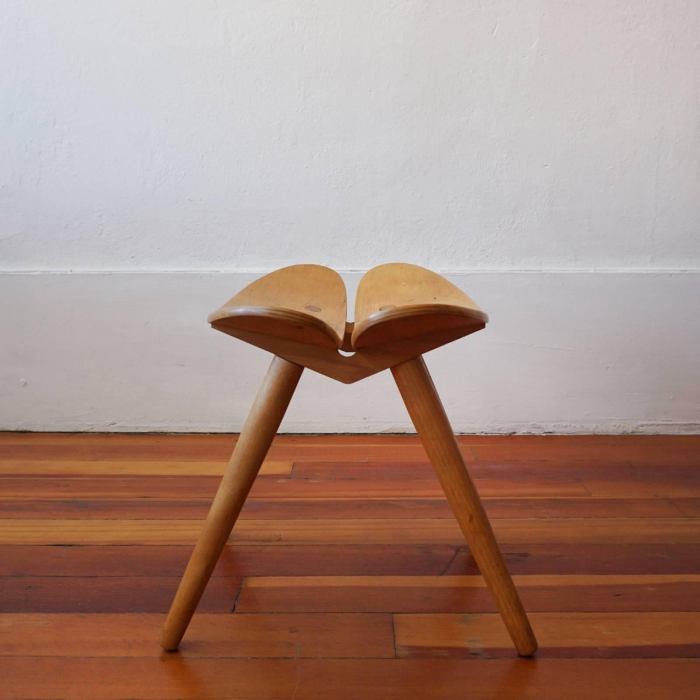
Japanese bar stools, renowned for their minimalist elegance and functional design, often employ materials that reflect the country’s deep-rooted appreciation for natural beauty and craftsmanship. These choices, from the wood grain to the subtly refined metal accents, contribute significantly to the overall aesthetic, embodying a harmonious blend of practicality and artistry.The selection of materials and construction techniques in Japanese bar stools is driven by a desire to create pieces that are both enduring and aesthetically pleasing.
The emphasis on natural materials, combined with meticulous craftsmanship, fosters a sense of understated luxury and timeless appeal. This approach extends beyond mere practicality, reflecting a profound cultural respect for the raw materials and the skill involved in transforming them into finished products.
Common Materials
The most prevalent materials in Japanese bar stools are wood, metal, and sometimes leather or other natural fibers. Each material offers distinct aesthetic qualities and contributes to the stool’s overall character. Wood, often chosen for its warm tones and natural grain patterns, is a hallmark of Japanese design. Metal, frequently used for legs or accents, brings a modern, industrial touch that complements the natural warmth of the wood.
Wood Selection and Treatment
Japanese artisans often favor hardwoods like cherry, maple, or oak, prized for their strength, durability, and beautiful grain. The natural variations in wood grain create unique character for each piece, adding a touch of individuality to the stool. Wood finishes often remain minimal, showcasing the natural beauty of the material. Sometimes, a light sanding or a clear lacquer might be applied, emphasizing the wood’s inherent aesthetic qualities.
Metal Integration
Metal, typically steel or iron, is frequently used for the stool’s legs or base. Its strength and industrial aesthetic create a subtle contrast with the warmth of the wood. The metalwork is often understated, with clean lines and a focus on structural integrity. The use of metal may vary depending on the design; sometimes, it is integrated into the base in a way that creates a sense of visual harmony and unity with the overall design.
Construction Techniques
Traditional Japanese joinery techniques are often employed in the construction of bar stools. These methods emphasize the use of mortise and tenon joints, dovetail joints, or other traditional Japanese wood-joining techniques, known for their strength and structural integrity. These techniques, passed down through generations, highlight the dedication to quality and craftsmanship inherent in Japanese design.
Comparison of Construction Methods
The construction techniques of Japanese bar stools may vary depending on the specific design and intended use. Some stools may utilize simple, straightforward joinery, while others may incorporate more complex techniques, resulting in a more intricate and aesthetically pleasing design. For example, stools designed for heavy-duty use might use thicker wood and reinforced joints, while more decorative stools may focus on the artistry of the joinery itself.
Material-Aesthetic Relationship
| Material | Aesthetic Impact |
|---|---|
| Wood (e.g., Cherry, Maple) | Warmth, natural beauty, individuality |
| Metal (e.g., Steel, Iron) | Strength, modern touch, subtle contrast |
| Leather/Natural Fibers | Comfort, textural interest, craftsmanship |
Color Palettes and Combinations
Japanese bar stool design often reflects a deep appreciation for the harmony of colors, drawing inspiration from nature and traditional aesthetics. This meticulous approach extends beyond mere visual appeal, often incorporating symbolic meanings that enrich the overall experience. Color choices contribute significantly to the atmosphere of a space, influencing the mood and perception of the environment.Color palettes in Japanese bar stool designs frequently employ a restrained and sophisticated approach.
The use of muted tones and subtle gradations creates a serene and tranquil ambiance, contrasting with the vibrancy often found in Western design. This understated elegance, often associated with minimalism, creates a sophisticated and calming atmosphere.
Typical Color Palettes
Japanese design often favors earthy tones, drawing from the natural landscape. Shades of brown, beige, gray, and muted greens are prevalent, often with subtle variations in tone to create depth and visual interest. These colors evoke a sense of calmness and grounding, characteristic of Japanese aesthetics. The use of natural materials like wood and bamboo further enhances this connection to nature.
Contrasting Color Combinations
While muted tones are common, contrasting color combinations can be strategically employed to add dynamism and visual appeal. For example, a deep indigo or navy blue bar stool with light-toned wooden legs can create a striking contrast, while still maintaining a sense of harmony. Similarly, a warm, rich brown stool accented with a subtle sage green can evoke a sense of tranquility and balance.
The key is to maintain a subtle, nuanced contrast rather than employing jarring or overly vibrant colors.
Symbolic Meanings of Colors
Certain colors hold symbolic weight in Japanese design. For example, the color green often represents nature and growth, while shades of brown evoke a sense of stability and earthiness. Indigo and deep blues can symbolize the sky and water, conveying a sense of serenity and vastness. Understanding these subtle nuances allows designers to create spaces that resonate on a deeper level.
Color Influence on Atmosphere
The choice of color significantly impacts the atmosphere of a space. A room dominated by warm, earthy tones evokes a sense of comfort and coziness, while cooler, muted tones can promote a sense of tranquility and calm. The specific shades and combinations selected carefully craft the desired mood and ambiance, reflecting the subtle balance between tradition and modernity.
Color Palette Table
| Color Palette | Description | Possible Applications |
|---|---|---|
| Muted Earthy Tones (Brown, Beige, Gray) | Evokes calmness, stability, and grounding. | Traditional Japanese-style dining areas, minimalist cafes, quiet study spaces. |
| Warm Neutrals with Accents (Brown, Beige, Cream with Sage Green) | Creates a tranquil and balanced atmosphere. | Modern Japanese-inspired homes, minimalist lounges, zen gardens. |
| Indigo/Navy with Light Wood | Provides a striking contrast with a sophisticated feel. | Contemporary bars, upscale restaurants, minimalist design studios. |
| Deep Teal with Light Gray | Creates a sophisticated and elegant atmosphere. | Modern lounges, hotel lobbies, luxury apartments. |
Shape and Form
Japanese bar stools, deeply rooted in the country’s aesthetic traditions, prioritize functionality and visual harmony. Their shapes, often minimalist and refined, are not merely about comfort but also about reflecting a cultural ethos of simplicity and elegance. The form of a stool, from its base to its seat, plays a crucial role in shaping the overall atmosphere of a space, contributing to its ambiance and its perceived character.The shape of a Japanese bar stool isn’t arbitrary; it’s carefully considered to create a seamless integration with the surrounding environment.
This careful attention to form ensures the stool is not just a piece of furniture, but an extension of the overall design philosophy.
Common Shapes
The shapes of Japanese bar stools often draw inspiration from natural forms, echoing the country’s deep connection to nature. These forms, in turn, contribute to a sense of serenity and groundedness. Straight lines, curved contours, and subtly sculpted edges are frequent design elements.
- Circular/Round Shapes: Circular seats, reminiscent of traditional Japanese pottery or the natural flow of water, often provide a sense of comfort and warmth. They often feature a sturdy, supporting base, such as a pedestal or a wide, flat platform. The rounded form can enhance the feeling of coziness and inclusivity in a space. A circular stool might be particularly well-suited for a minimalist dining area or a small, intimate bar.
- Rectangular/Square Shapes: Rectangular or square shapes are often chosen for their practicality and efficiency. They can be more accommodating for larger groups or for spaces that demand a more structured and defined aesthetic. The clear-cut lines can complement a modern or contemporary design style. A square bar stool, with its clean lines, might work particularly well in a bustling cafe or a trendy cocktail bar.
- Organic/Asymmetrical Shapes: Inspired by natural elements, these shapes feature flowing curves and irregular contours. They can create a sense of dynamism and informality, lending a unique personality to a space. The fluid forms might be more suited to a modern or eclectic style setting, where individuality is emphasized.
Influence on Visual Appeal
The form of a bar stool significantly impacts its visual appeal. A stool with a simple, clean shape can enhance the visual clarity of a space, while a more complex design can add visual interest. The material used, whether wood, metal, or a composite, further amplifies the visual impact. For example, a stool with a sleek, minimalist design might be ideal for a contemporary space, while a more ornate or sculptural stool could be the focal point in a more traditional or eclectic setting.
Relationship Between Form and Aesthetics
The shape of a Japanese bar stool isn’t divorced from the overall aesthetic of the space. A stool with a rounded seat, for instance, may create a sense of warmth and intimacy, whereas a stool with sharp, angular lines may suggest a sense of modernity and sophistication. The choice of shape should complement the overall ambiance of the space, considering elements like lighting, color palettes, and other furniture pieces.
The interaction between the stool’s shape and the surrounding environment creates a holistic and harmonious aesthetic experience.
Comparative Analysis
Comparing different shapes of Japanese bar stools reveals how form can be used to express cultural values. Circular stools might symbolize the concept of interconnectedness and harmony, while rectangular stools might emphasize order and practicality. The selection of a particular shape often reflects the specific cultural context and the intended atmosphere of the space.
Design Principles
| Shape | Design Principles | Cultural Context |
|---|---|---|
| Circular | Comfort, warmth, harmony, inclusivity | Reflects the natural flow and interconnectedness often valued in Japanese culture. |
| Rectangular | Practicality, efficiency, order | Highlights a focus on functionality and clear design in Japanese aesthetics. |
| Organic/Asymmetrical | Dynamism, informality, uniqueness | Emphasizes individuality and a connection to nature, a key aspect of Japanese culture. |
Space Considerations and Functionality
Japanese bar stools, renowned for their minimalist aesthetic and functional design, are meticulously integrated into various spaces to optimize both visual appeal and practicality. Their adaptability extends beyond the traditional izakaya setting, seamlessly blending into contemporary homes and commercial spaces. This adaptability stems from a deep understanding of space-saving principles and ergonomic considerations.Japanese bar stools often prioritize efficiency, maximizing limited floor space while maintaining comfortable seating.
This approach, deeply rooted in Japanese design philosophy, emphasizes the harmonious integration of furniture with the surrounding environment. This is exemplified by their ability to seamlessly fit into smaller apartments or high-traffic areas without compromising the space or functionality.
Integration into Specific Spaces
Japanese bar stools are strategically integrated into diverse spaces, showcasing a thoughtful approach to design. Their compact size and adaptable nature allow for placement in areas with limited square footage, making them suitable for apartments, small restaurants, and cafes. Their low profile often allows for the integration of other elements, like shelving or decorative accents, without obstructing the flow of the space.
Functionality in Different Settings
The functional design of Japanese bar stools extends beyond aesthetic considerations. Their adaptability enables them to fulfill a variety of roles, depending on the context. In restaurants and bars, they facilitate efficient service, allowing for close proximity between patrons and staff, while maximizing seating capacity. In homes, they can serve as a casual bar or counter seating, supporting quick meals, socializing, and conversation.
Space-Saving Design Principles
Space-saving design is a cornerstone of Japanese bar stool design. Their compact form factor allows for optimal utilization of available space. Low profiles and minimalist designs minimize visual clutter, creating a sense of openness and spaciousness. Often, these stools are designed to be stackable, further enhancing space efficiency and simplifying storage.
Ergonomic Considerations
Ergonomic considerations are paramount in the design of Japanese bar stools. Their height and seat depth are carefully calibrated to support a comfortable posture, preventing fatigue during extended use. The material selection and construction often prioritize comfort, such as the use of cushioned seating or the incorporation of lumbar support. This is particularly important in commercial settings where bar stools are used for extended periods.
Dimensions and Use Cases
| Bar Stool Type | Height (cm) | Seat Depth (cm) | Suitable Use Cases |
|---|---|---|---|
| Low Profile Bar Stool | 60-75 | 35-45 | Residential kitchens, small cafes, home bars |
| Standard Bar Stool | 75-85 | 40-50 | Restaurants, bars, commercial spaces, medium-sized kitchens |
| High Bar Stool | 85-95 | 45-55 | High-traffic bars, cocktail lounges, commercial kitchens, areas needing high seating |
Cultural and Historical Context
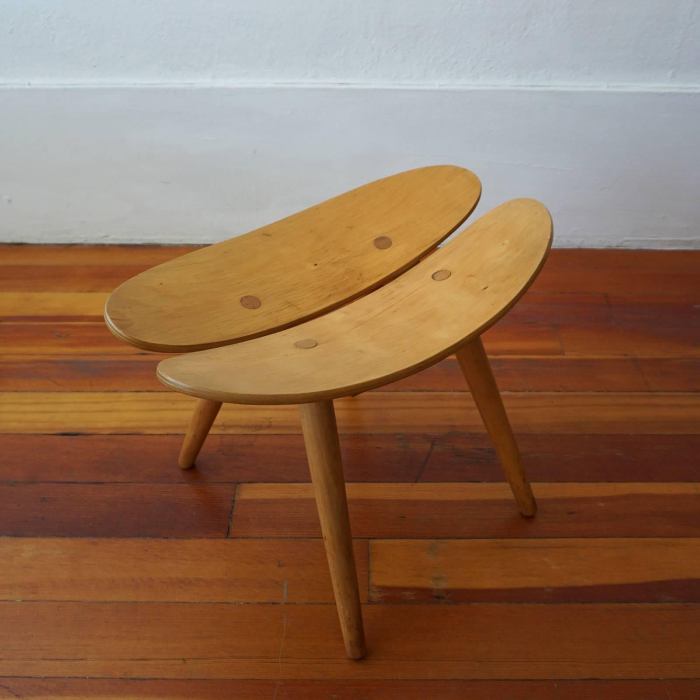
Japanese bar stools, far from being a recent design trend, are deeply rooted in the nation’s rich history and cultural values. Their evolution reflects a continuous interplay between traditional aesthetics, evolving societal needs, and the enduring commitment to craftsmanship. This evolution reveals a profound connection between form and function, echoing the country’s emphasis on practicality and refined beauty.Bar stool design in Japan has mirrored the country’s shifting societal landscapes, from the simple, functional needs of agrarian communities to the evolving demands of modern urban life.
The incorporation of traditional aesthetics, like the emphasis on natural materials and minimalist design, persists in contemporary interpretations, demonstrating a continuity in design principles that transcend generations.
Historical Evolution of Bar Stool Design
Traditional Japanese homes often lacked dedicated dining spaces. Consequently, early bar stool designs prioritized functionality over elaborate ornamentation. They were frequently crafted from readily available materials like wood, often showcasing a simple, unadorned aesthetic reflecting the practicality of rural life. The emphasis on natural materials, like bamboo or cherry wood, inherent in Japanese design philosophy was deeply ingrained in these early designs.
Influence of Traditional Japanese Aesthetics
The emphasis on minimalism and natural materials in traditional Japanese design principles profoundly influenced bar stool design. This often involved the use of natural wood tones and simple, uncluttered forms, echoing the “wabi-sabi” aesthetic, which embraces imperfection and the beauty of natural processes. Furthermore, the concept of “ma,” or empty space, was frequently reflected in the design, creating a sense of calm and balance.
Reflection of Cultural Values
Japanese bar stool design embodies the nation’s profound respect for craftsmanship. The intricate details and meticulous attention to detail, a hallmark of Japanese artistry, are evident in the construction of bar stools. Furthermore, the integration of traditional techniques, like joinery and finishing, often involved passing down skills through generations. This reflects a deep cultural value placed on the continuity of tradition and the preservation of skills.
Role of Craftsmanship and Artistry
“Japanese artisans have a profound understanding of the materials they work with, which allows them to create bar stools that are both functional and beautiful.”
The exquisite craftsmanship evident in Japanese bar stools stems from a long-standing tradition of skilled artisans. The intricate joinery, the subtle variations in wood grain, and the meticulous finishing all contribute to the unique character of each piece. These aspects underscore the importance of skilled labor and the appreciation for the beauty found in detail. The focus on quality and longevity is central to the design philosophy.
Table: Evolution of Bar Stool Design in Japan
| Period | Key Features | Materials | Aesthetic Influences |
|---|---|---|---|
| Pre-Modern Era (Pre-1868) | Simple, functional designs; emphasis on natural materials. | Bamboo, wood (local varieties). | Wabi-sabi; natural forms; practicality. |
| Modern Era (1868-1945) | Introduction of metal elements; some designs began incorporating western influences. | Wood, metal (limited use). | Functionalism; blending traditional and modern elements. |
| Post-War Era (1945-Present) | Greater variety in materials and designs; incorporating contemporary aesthetics; maintaining traditional values in craftsmanship. | Wood, metal, plastic; combination materials. | Minimalism; functionality; modern design sensibilities with reverence for tradition. |
Modern Interpretations and Trends
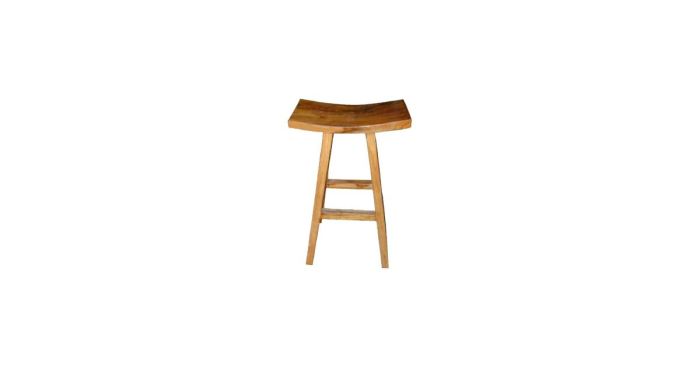
Japanese bar stool aesthetics, rooted in centuries-old traditions of craftsmanship and minimalism, are experiencing a vibrant resurgence in contemporary design. Modern designers are reimagining these timeless forms, adapting them to contemporary spaces and incorporating innovative materials and techniques. This evolution reflects a broader trend of blending traditional values with modern sensibilities in interior design, creating pieces that are both visually striking and functionally superior.
Contemporary Interpretations
Modern interpretations of Japanese bar stool aesthetics prioritize clean lines, natural materials, and a focus on functionality. Designers are increasingly using innovative materials, like sustainably sourced bamboo or reclaimed wood, to create contemporary pieces that maintain a connection to traditional Japanese craftsmanship. The emphasis on comfort and ergonomic design is another key aspect of these modern reinterpretations, blending traditional aesthetic principles with modern practicality.
Emerging Trends
Several emerging trends are shaping the landscape of Japanese bar stool design. A notable trend is the use of transparent or translucent materials, such as acrylic or glass, to create a sense of lightness and openness in the space. Furthermore, the integration of technology, such as LED lighting integrated into the stool’s base, is adding a contemporary edge.
This combination of traditional design elements with modern technology creates a unique visual appeal.
Incorporating Japanese Aesthetics
Modern designers are skillfully incorporating Japanese aesthetics into contemporary bar stool designs by retaining the core principles of simplicity, natural materials, and mindful functionality. This approach emphasizes the use of natural materials like wood, bamboo, or rattan, which evoke a sense of warmth and connection to nature. Color palettes often lean towards muted tones, echoing the traditional Japanese preference for understated elegance.
Adaptation to Modern Spaces
Traditional Japanese bar stool designs are being adapted to modern spaces by streamlining their silhouettes and reimagining their proportions. This often involves creating more compact or modular designs that are easily integrated into contemporary kitchens, bars, and dining areas. Modern variations often emphasize the ergonomic design to ensure comfort during extended use. This adaptive design approach results in pieces that are not only aesthetically pleasing but also practical for contemporary living.
Modern Interpretations Table
| Design Element | Traditional Interpretation | Modern Interpretation | Example |
|---|---|---|---|
| Material | Natural wood, bamboo, lacquered wood | Reclaimed wood, sustainably sourced bamboo, acrylic, glass | A bar stool made from reclaimed teak wood with a sleek acrylic backrest. |
| Shape | Simple, often geometric shapes | Geometric shapes with organic curves, streamlined silhouettes | A stool with a simple square base but with rounded edges on the seat and backrest. |
| Color Palette | Muted earth tones, natural finishes | Muted tones with subtle accents of color, or high-gloss finishes | A bar stool in a deep gray-brown wood finish with a subtle hint of blue in the woven seat. |
| Functionality | Emphasis on comfort and durability | Ergonomic design with adjustable height or integrated storage | A bar stool with an adjustable height mechanism and a small compartment underneath the seat for storage. |
Integration with Interior Design Styles
Japanese bar stools, with their minimalist elegance and functional design, seamlessly integrate into a wide array of interior design styles. Their adaptability stems from the core principles of Japanese aesthetics, which emphasize harmony, simplicity, and a connection with nature. This adaptability makes them a versatile choice for modern homes, traditional spaces, and everything in between.The key to successful integration lies in understanding the specific characteristics of each design style and how the bar stool can complement, rather than clash with, existing elements.
Careful consideration of material, color, and form is crucial in achieving a cohesive and aesthetically pleasing result.
Modern Interiors
Japanese bar stools, often crafted from sleek materials like polished wood or metal, effortlessly integrate into modern spaces. Their clean lines and minimalist design accentuate the contemporary aesthetic. Pairing them with minimalist lighting, geometric patterns, and neutral color palettes creates a sophisticated and visually appealing atmosphere. For example, a set of black lacquer bar stools with a brushed steel base would complement a modern kitchen or bar area featuring sleek countertops and stainless steel appliances.
Traditional Japanese Spaces
In a traditional Japanese interior, a low, wooden bar stool, possibly crafted from cherry or maple, with a simple, natural finish, can be an excellent choice. The warm, earthy tones and natural textures of the wood harmonize beautifully with tatami mats, shoji screens, and other traditional elements. Carefully chosen textiles, such as natural fibers and muted colors, further reinforce the connection to traditional Japanese design principles.
A set of low, natural-toned stools adds a touch of authentic Japanese elegance to a traditional tea ceremony room.
Scandinavian Design
The clean lines and focus on natural materials characteristic of Scandinavian design perfectly complement the simplicity of Japanese bar stools. A set of light-colored wood bar stools, perhaps with a slightly tapered leg, can easily be integrated into a Scandinavian-inspired kitchen or dining area. The warm tones of the wood work well with the bright and airy feel of Scandinavian aesthetics.
Pairing the stools with natural textiles and white or light-gray walls would further amplify the overall harmony.
Industrial Chic
Surprisingly, Japanese bar stools can even work within industrial-chic spaces. A metal or dark-stained wood bar stool with exposed legs and a raw finish can provide a counterpoint to the rugged, raw materials often found in industrial design. This combination creates an interesting contrast, while maintaining a sense of balance and harmony. The key is selecting a bar stool with a strong, sturdy frame that can withstand the environment.
For instance, dark-stained, metal-framed stools could work well in an industrial-style bar or restaurant.
Eclectic Styles
The versatility of Japanese bar stools extends to eclectic design styles. The minimalist nature of the stools allows them to adapt to a variety of design elements without overpowering the overall look. Their timeless aesthetic works with bold prints, colorful textiles, and contrasting textures. For example, a set of light-colored wood bar stools could be integrated into a bohemian-inspired dining space, balancing out the more vibrant and eclectic elements of the design.
Table: Integration of Japanese Bar Stools into Different Interior Design Schemes
| Interior Design Style | Key Features of Japanese Bar Stools | Example Integration |
|---|---|---|
| Modern | Sleek materials, clean lines, minimalist design | Black lacquer stools with brushed steel base in a modern kitchen. |
| Traditional Japanese | Low, wooden construction, natural finish, warm tones | Low, natural-toned wood stools in a traditional tea ceremony room. |
| Scandinavian | Light-colored wood, tapered legs, natural materials | Light-colored wood stools in a Scandinavian-inspired kitchen. |
| Industrial Chic | Metal or dark-stained wood, exposed legs, raw finish | Dark-stained, metal-framed stools in an industrial-style bar. |
| Eclectic | Minimalist nature, adaptability to various design elements | Light-colored wood stools in a bohemian-inspired dining space. |
Visual Inspiration for Japanese Bar Stools
Japanese bar stools, with their meticulous craftsmanship and evocative aesthetic, offer a captivating glimpse into Japanese design philosophy. Their visual appeal transcends mere functionality, embodying a deep-rooted respect for materiality, simplicity, and the harmony between form and space. This visual exploration will delve into the imagery that defines the Japanese bar stool aesthetic.
Illustrative Images and Their Aesthetics
Japanese bar stools are a testament to the country’s design ethos, seamlessly blending practicality with aesthetic elegance. These stools are not just furniture; they are a visual expression of Japanese cultural values. The images below showcase the diversity within this style, demonstrating the unique aesthetic elements that characterize Japanese bar stools.
Japanese design principles, like 侘び寂び (wabi-sabi), emphasize the beauty of imperfection, impermanence, and the natural world. This ethos is frequently reflected in the design of Japanese bar stools.
| Image | Description |
|---|---|
| Image 1: A low, minimalist bar stool with a natural wood finish. The stool features a simple, rounded seat and a slightly tapered leg. | This stool embodies a sense of understated elegance. The natural wood grain provides a warm and inviting feel, while the smooth, rounded forms evoke a sense of calm and serenity. The low profile of the stool suggests a sense of intimacy and approachability. |
| Image 2: A bar stool with a woven bamboo seat and slender metal legs. | This stool displays a connection to nature. The woven bamboo seat, with its inherent organic texture, evokes a sense of lightness and fluidity. The slender metal legs, often polished or brushed, provide a striking contrast to the warmth of the bamboo, highlighting the balance between natural and industrial elements. |
| Image 3: A lacquered bar stool with a geometrically patterned seat. | This stool demonstrates the use of sophisticated craftsmanship. The lacquered finish, often in a deep, rich color, adds a touch of opulence. The geometric pattern on the seat, potentially inspired by traditional Japanese patterns, suggests a focus on design detail and precision. |
| Image 4: A high-backed bar stool with a curved, upholstered backrest. | This stool offers both comfort and visual interest. The curved backrest provides support and a sense of cocooning, inviting a more relaxed and contemplative experience. The upholstered backrest material might be a contrasting color or texture, further enhancing the visual appeal. |
| Image 5: A bar stool crafted from dark, stained wood with a subtle, raised grain pattern. | This stool highlights the beauty of the natural wood grain. The dark stain creates a sense of depth and sophistication, while the raised grain pattern adds a touch of visual interest and tactility. The simplicity of the form allows the wood grain to take center stage. |
Visual Cues Evocative of Japanese Aesthetics
The visual cues in Japanese bar stools are meticulously crafted to evoke specific feelings and convey the essence of Japanese aesthetics. Careful consideration is given to material choices, form, and color palettes.
- Natural Materials: The frequent use of natural materials like wood, bamboo, and lacquer reflects the deep connection to nature that is central to Japanese culture. These materials are often left in their natural state or subtly refined, showcasing their inherent beauty.
- Minimalist Design: Simplicity and functionality are paramount. The designs often feature clean lines, uncluttered forms, and a focus on essential elements, embodying a sense of tranquility and focus.
- Color Palettes: Natural color palettes, often earthy tones, are commonly used. These colors evoke a sense of calm and connection to the natural environment. The use of contrasting colors, like black and white or deep browns, creates visual interest without overwhelming the space.
- Shape and Form: The shapes and forms of Japanese bar stools often mirror organic elements found in nature. Rounded edges, gentle curves, and flowing lines create a sense of harmony and balance, reflecting a deep respect for the natural world.
- Craftsmanship: The meticulous attention to detail in the construction of Japanese bar stools showcases the value placed on traditional craftsmanship and quality. The use of high-quality materials and precise execution are evident in the visual presentation of the stool.
Potential Design Applications
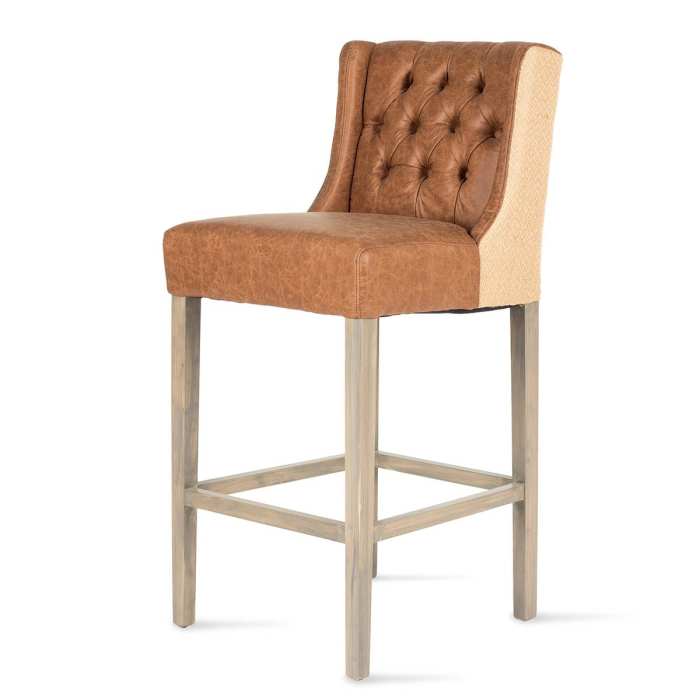
Japanese bar stool aesthetics, rooted in centuries of craftsmanship and minimalist design principles, offer a compelling pathway for modern design applications. Their refined simplicity and functional elegance translate seamlessly across diverse spaces, from intimate home bars to bustling cafes and restaurants. This approach transcends mere style, offering a nuanced understanding of space optimization and user experience.
Cafe Design Applications
Japanese bar stools, with their often-low profiles and comfortable seating, foster a welcoming and communal atmosphere ideal for cafes. The emphasis on natural materials and subdued color palettes creates a serene and calming ambiance, perfect for enjoying a leisurely coffee or a quiet conversation. The interplay of light and shadow, characteristic of Japanese design, enhances the visual appeal of the space.
For instance, a cafe utilizing a light wood finish for the stools, combined with warm earth tones in the walls and accents, can create a tranquil and inviting environment.
Restaurant Design Applications
Restaurants can leverage Japanese bar stools to create a sophisticated yet approachable dining experience. Pairing the sleek lines and refined proportions of the stools with contemporary lighting and well-defined seating areas can elevate the restaurant’s aesthetic. The minimalist nature of the design elements allows the focus to remain on the culinary experience, offering a refined and uncluttered backdrop for diners.
For example, a sushi restaurant might use black lacquer bar stools, accented by subtle bamboo details, to enhance the modern Japanese ambiance.
Home Bar Design Applications
In a home setting, Japanese bar stools can seamlessly integrate into a stylish and functional bar area. Their compact design and diverse material options (like bamboo or lacquer) make them adaptable to various interior styles, whether traditional or contemporary. The emphasis on ergonomics and comfort ensures a pleasant experience for those enjoying drinks or light meals at the bar.
A well-lit, minimalist home bar area using natural wood bar stools and soft lighting, alongside carefully chosen accessories, can foster a tranquil atmosphere for entertaining.
Coffee Shop Design Example
Imagine a coffee shop designed around the Japanese aesthetic. Light, natural wood stools with a low profile create a welcoming atmosphere. The color palette leans towards earthy tones, with accents of warm white or cream. The space is designed for relaxation, with plenty of soft lighting and natural elements like potted plants. The stools, positioned near the counter, facilitate interaction between baristas and customers.
Home Bar Design Example
For a home bar, consider using dark stained wood or lacquered bar stools with minimalist metal legs. A simple, clean countertop design with warm lighting will highlight the stools’ elegance. A selection of Japanese-inspired artwork or decorative elements can add a touch of cultural flair.
Comparison Table
| Design Application | Suitable Space | Key Aesthetic Elements | Functionality Considerations |
|---|---|---|---|
| Cafe | Public spaces, high-traffic areas | Natural materials, low profile, warm tones | Comfort, interaction, communal seating |
| Restaurant | Dining areas, bar seating | Sleek lines, refined proportions, lighting | Sophistication, dining experience, ambiance |
| Home Bar | Residential spaces, intimate areas | Compact design, diverse materials, ergonomics | Comfort, functionality, personal style |
Final Thoughts
In conclusion, Japanese bar stools showcase a harmonious interplay of aesthetics, functionality, and cultural heritage. Their enduring appeal lies in their ability to seamlessly blend into diverse spaces, while maintaining a distinctive character. The detailed exploration of materials, shapes, colors, and historical context provides a nuanced understanding of this unique design approach.
