
Icker baskets, a ubiquitous presence in various cultures, transcend mere containers. Their intricate craftsmanship, diverse applications, and profound cultural significance make them compelling objects of study. This comprehensive guide delves into the fascinating world of icker baskets, exploring their history, construction, uses, and enduring cultural relevance.
From everyday utility to ceremonial importance, icker baskets showcase a remarkable range of functionality and artistic expression. Their enduring appeal lies not only in their practical use but also in the meticulous artistry and cultural context that shape their creation and use.
Defining Icker Baskets
Icker baskets, a seemingly obscure term, represent a fascinating convergence of utility and historical significance. These unique containers, often overlooked in mainstream discussions of craftsmanship and material culture, played crucial roles in various societies and across different eras. Understanding their purpose and characteristics illuminates the practical and cultural contexts in which they were employed.Icker baskets, in their diverse forms, transcend mere categorization as simple storage vessels.
They served as specialized tools, adapting to specific tasks and reflecting the ingenuity of their creators. Their design and construction were deeply intertwined with the materials readily available in their respective environments. The function of an icker basket varied according to its specific design, materials, and the cultural practices of the communities that used them.
Defining Characteristics of Icker Baskets
Icker baskets exhibit a remarkable range of characteristics, including diverse materials and varying functionalities. Their shapes and sizes were often tailored to their intended purpose, whether for transporting goods, storing food, or serving as decorative elements.
Examples of Icker Baskets
Various examples of icker baskets illustrate their adaptability and utility. A common type is the woven icker basket, often constructed from reeds or grasses. These baskets, frequently found in wetland regions, are typically lightweight and durable, making them ideal for carrying fish or other harvested goods. Another example includes the intricately carved wooden icker basket, used for ceremonial purposes in certain indigenous communities.
These baskets were often adorned with symbolic designs, reflecting the cultural values of their creators. Furthermore, the use of icker baskets extended to the transportation of goods in pre-industrial societies, particularly in regions with limited access to wheeled vehicles.
Types of Icker Baskets
The categorization of icker baskets is complex, encompassing various subtypes based on material, size, and intended use. A crucial distinction lies in the materials used for construction.
- Woven Icker Baskets: These baskets, frequently constructed from natural materials like reeds, grasses, or vines, were highly prevalent in societies with abundant natural resources. Their lightweight and flexible nature made them ideal for carrying goods, especially in challenging terrains. The intricate patterns woven into these baskets often held symbolic meaning within their respective cultures.
- Carved Icker Baskets: These baskets, often crafted from wood or other hard materials, were distinguished by their intricate designs and carvings. In many cases, these baskets held symbolic significance and were used for ceremonial purposes or as status symbols.
- Icker Baskets for Specific Purposes: Certain types of icker baskets were specifically designed for particular tasks. For instance, baskets designed for transporting water might feature a unique shape or handle to prevent leakage. Similarly, those used for storing food might have been coated with a sealant to protect against moisture or pests.
Historical Context and Evolution
The historical context of icker baskets reveals their deep connection to human ingenuity and adaptation. While precise origins remain unclear, archaeological evidence suggests that icker baskets have been used for millennia.
- Early Usage: Early evidence suggests that icker baskets were employed for the transport of goods, storage of food, and even ceremonial rituals. The specific uses varied greatly depending on the culture and environment in which they were created.
- Material Adaptations: As societies evolved, so did the materials used to create icker baskets. This adaptation reflects the available resources in different regions and the need for specific functionalities.
- Cultural Significance: In some cultures, icker baskets held significant cultural importance. Their designs, materials, and sizes often reflected the values and beliefs of the people who used them.
Materials and Construction
Icker baskets, a ubiquitous presence in certain cultures, exhibit a remarkable diversity in materials and construction techniques. Their enduring appeal stems from a unique blend of functionality and artistry, reflecting the ingenuity and resourcefulness of the communities that craft them. The materials employed, often readily available locally, are tailored to specific environmental conditions and aesthetic preferences.The methods and techniques used in icker basket construction are deeply rooted in tradition, passed down through generations.
These practices often involve intricate weaving and shaping processes, which not only create beautiful objects but also demonstrate the skills and knowledge of the artisans. The resulting baskets showcase a fascinating interplay between human creativity and natural resources.
Common Materials
A wide array of natural materials are used in icker basket construction. These materials are selected for their strength, flexibility, and aesthetic appeal. Common choices include reeds, vines, grasses, bamboo, and even certain types of wood. The specific material used often correlates with the region’s natural environment and the intended use of the basket. For example, strong reeds might be favored for carrying heavy loads, while delicate grasses might be used for decorative baskets.
Construction Techniques
Icker basket construction often involves intricate weaving and shaping methods. These techniques are crucial for creating the basket’s form and durability. Weaving techniques can vary from simple plaiting to more complex twining and coiling methods. The selection of techniques depends on the chosen materials and the desired aesthetic. Traditional techniques may involve using specific tools and implements, like sharpened sticks or specialized weaving needles, which are integral to the creation process.
Traditional Designs
Traditional icker basket designs often reflect the cultural values and practical needs of the communities that create them. Geometric patterns and symmetrical shapes are frequently incorporated. Examples of traditional designs include those with simple, repetitive patterns woven into the basket’s structure, or those with more elaborate designs that signify specific cultural or social events. The artistry and precision in these designs are often a testament to the dedication and skill of the artisans.
Modern Designs
Modern icker basket designs often incorporate contemporary aesthetics and innovative construction techniques. These designs might incorporate more complex weaving patterns, use a wider array of materials, or adopt new shaping methods. Incorporating different colors and textures of materials can create unique and visually striking designs. For instance, the integration of dyed grasses or painted bamboo can enhance the aesthetic appeal of modern icker baskets.
Shaping and Weaving Processes
The process of shaping and weaving icker baskets is a meticulous one. It often begins with the preparation of the chosen materials, which might involve cleaning, sorting, and sometimes drying the materials. The actual weaving process involves carefully arranging and interlacing the selected materials to create the desired form and texture. The shaping process is also essential; this might involve bending, wrapping, or binding the materials to create the basket’s distinctive form.
This combination of shaping and weaving methods contributes to the basket’s durability and its artistic appeal.
Uses and Applications
Icker baskets, with their unique construction and materials, offer a diverse range of applications, transcending everyday tasks to special occasions. Their adaptability stems from their inherent strength and portability, making them a valuable tool across various cultures and communities. This section explores the diverse uses of icker baskets, highlighting their advantages and disadvantages compared to similar containers, and showcasing examples of their use in different contexts.The versatile nature of icker baskets makes them suitable for a wide array of functions, from transporting goods to serving food.
Their durability and lightweight design often make them superior to other containers in specific situations, though this will depend on the precise material composition and basket construction.
Everyday Tasks
Icker baskets excel in everyday tasks, especially for their lightweight and often highly portable nature. Their use in carrying groceries, produce, and other everyday items is common. The baskets’ sturdy construction, particularly when crafted from durable materials like woven reeds or vines, allows for substantial loads without compromising structural integrity. This strength translates to dependable use in handling various items, including heavier items like laundry and other household supplies.
In many cultures, icker baskets are indispensable for daily tasks.
Special Occasions
Beyond everyday use, icker baskets can be beautifully incorporated into special events. Their natural aesthetic complements various celebratory occasions, from harvest festivals to cultural ceremonies. In some cultures, the intricate weaving of icker baskets serves as a symbol of craftsmanship and tradition, adding an artistic touch to celebrations.
Comparison with Other Containers
Compared to other containers, icker baskets often stand out due to their lightweight, natural material composition, and sometimes, their distinctive aesthetic. While plastic or metal containers may be more durable in some cases, icker baskets provide a unique, often eco-friendly alternative for carrying goods and items. Their inherent breathability, depending on the materials used, makes them suitable for storing and transporting certain perishable items, unlike sealed plastic containers.
The lightweight nature of icker baskets, while offering portability, may sometimes compromise durability in comparison to stronger alternatives. The choice of container will depend on the specific needs and priorities.
Cultural Significance
Icker baskets are deeply embedded in many cultures, often playing a crucial role in daily life and celebrations. Their use can vary significantly depending on the region. For instance, in some communities, icker baskets are used for harvesting and transporting crops, highlighting their practical application. In other cultures, they may be employed for ceremonial purposes, adding a layer of cultural significance to the basket’s use.
Examples of icker baskets used in specific cultures should be investigated further to highlight their varying uses.
Advantages and Disadvantages
Icker baskets, while offering several advantages, also have some drawbacks. Their inherent durability and portability are significant benefits. Their natural material composition, when appropriate, can be eco-friendly and biodegradable, contrasting with the potential environmental impact of plastic alternatives. However, the longevity of icker baskets can vary greatly based on the quality of the materials used in their construction and the conditions under which they are used.
In some cases, they may be more susceptible to damage from moisture or pests compared to more resilient containers. This variation in longevity necessitates careful consideration of the specific application and the materials used.
Design and Aesthetics
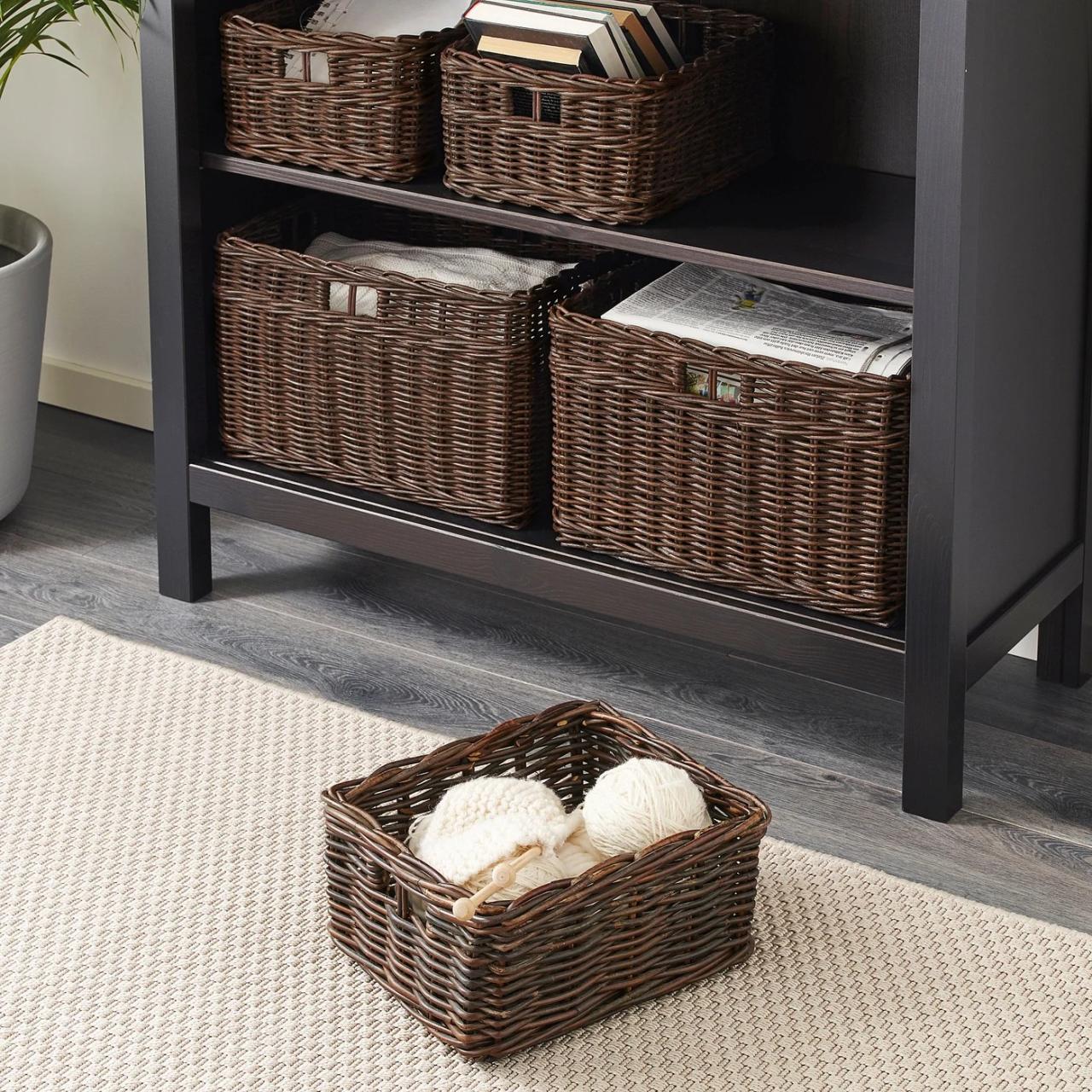
Icker baskets, far from being mere utilitarian containers, often embody intricate designs and aesthetic qualities that elevate them to works of art. Their visual appeal stems from a careful interplay of materials, construction techniques, and decorative elements, reflecting cultural traditions and individual artistic expression. This section delves into the key design elements, aesthetic considerations, and artistic approaches that contribute to the captivating nature of icker baskets.The design of icker baskets is not merely functional; it often incorporates symbolic and aesthetic elements that resonate with the culture from which they originate.
The artistry is evident in the choices of materials, the patterns employed, and the overall composition, creating visually engaging and culturally significant objects.
Design Elements
The fundamental design elements of icker baskets often include the basket’s shape, the weave pattern, and the incorporated handles. Basket shapes can range from simple and rounded to more elaborate and angular forms, reflecting the intended use and aesthetic preferences. The weave pattern is a crucial aspect, showcasing the skill and artistry of the craftsperson. Various techniques are employed to create different textures and visual effects.
Handles, when present, add functionality and often complement the overall aesthetic. For instance, the use of elaborate woven handles can serve as a prominent design feature, adding a decorative touch to the basket.
Aesthetic Qualities
The aesthetic qualities of icker baskets are multifaceted. Beyond their functional utility, icker baskets possess an undeniable beauty derived from the skillful craftsmanship. The color palettes used in decorating the baskets often reflect local traditions and the availability of natural dyes. The texture of the woven materials, whether rough or smooth, adds depth and interest to the overall aesthetic.
The intricate patterns and designs contribute to the overall visual appeal, evoking a sense of sophistication and artistry.
Decorative Techniques
A variety of artistic techniques are employed in decorating icker baskets. These techniques can include painting, dyeing, and the incorporation of embellishments such as beads, shells, or other natural materials. Painting, for example, can be used to add color and patterns to the basket’s surface, creating visual interest and contrast with the woven base. Natural dyes derived from plants or minerals are often used to color the basket itself or the embellishments, adding a unique touch and showcasing the ingenuity of the artisans.
Intricate designs and patterns are often meticulously woven into the basket’s structure, showcasing the skill and patience of the craftspeople.
Symbolic Meanings
In some cultures, icker baskets may carry symbolic meanings. For instance, specific patterns or colors might represent prosperity, fertility, or other cultural values. These symbolic meanings are deeply rooted in the cultural traditions and beliefs of the communities that create and use the baskets. The basket’s design may also reflect the occasion for which it was made, such as a wedding, a harvest celebration, or a ceremonial event.
For example, a basket decorated with stylized birds might symbolize the journey of life, while a basket with geometric patterns could represent the structure of the universe.
Cultural Significance
Icker baskets, crafted with meticulous care and often imbued with symbolic meaning, hold a significant place within various cultures. Their presence transcends mere utility; they represent a tangible link to the past, reflecting societal values, traditions, and historical narratives. From ceremonial use to everyday life, icker baskets have a rich and multifaceted cultural significance.Beyond their practical functions, icker baskets often embody deep cultural narratives and values.
Their designs, materials, and construction techniques often carry symbolic meanings that vary across cultures. This cultural significance is further emphasized by their transmission across generations, reinforcing cultural identity and preserving traditions.
Ceremonial and Ritualistic Roles
Icker baskets frequently play crucial roles in ceremonies and rituals. Their use can vary greatly depending on the specific cultural context. In some societies, icker baskets might be essential components in marriage ceremonies, symbolizing prosperity and the union of families. In others, they might be associated with harvest celebrations, representing gratitude for the bounty of nature. Their specific function within each ceremony or ritual often reflects the cultural values and beliefs of the society in which they are used.
Examples include the presentation of gifts, offerings, or even serving food.
Transmission Across Generations
The cultural importance of icker baskets is often tied to their transmission across generations. This process ensures that traditional knowledge, skills, and cultural values are passed down, reinforcing the cultural identity of the community. Master basket weavers often train apprentices, imparting not only the technical skills but also the rich history and symbolic meaning behind the designs. This apprenticeship system is crucial for preserving the craft and its cultural significance.
These skills and knowledge are sometimes documented in oral histories, or written accounts, which are passed down within families.
Integration into Cultural Heritage
Icker baskets are integral components of cultural heritage. Their presence within museums, cultural centers, and private collections showcases their artistic value and historical significance. These displays can be accompanied by information, preserving the cultural context and significance of the baskets. For example, in certain cultures, icker baskets might be displayed prominently during festivals, highlighting their significance in community celebrations.
They can also be used in artistic exhibitions, allowing contemporary audiences to appreciate the skill and artistry of traditional basketry techniques. Furthermore, icker baskets serve as tangible reminders of the cultural traditions that have shaped a community over time.
Maintenance and Preservation
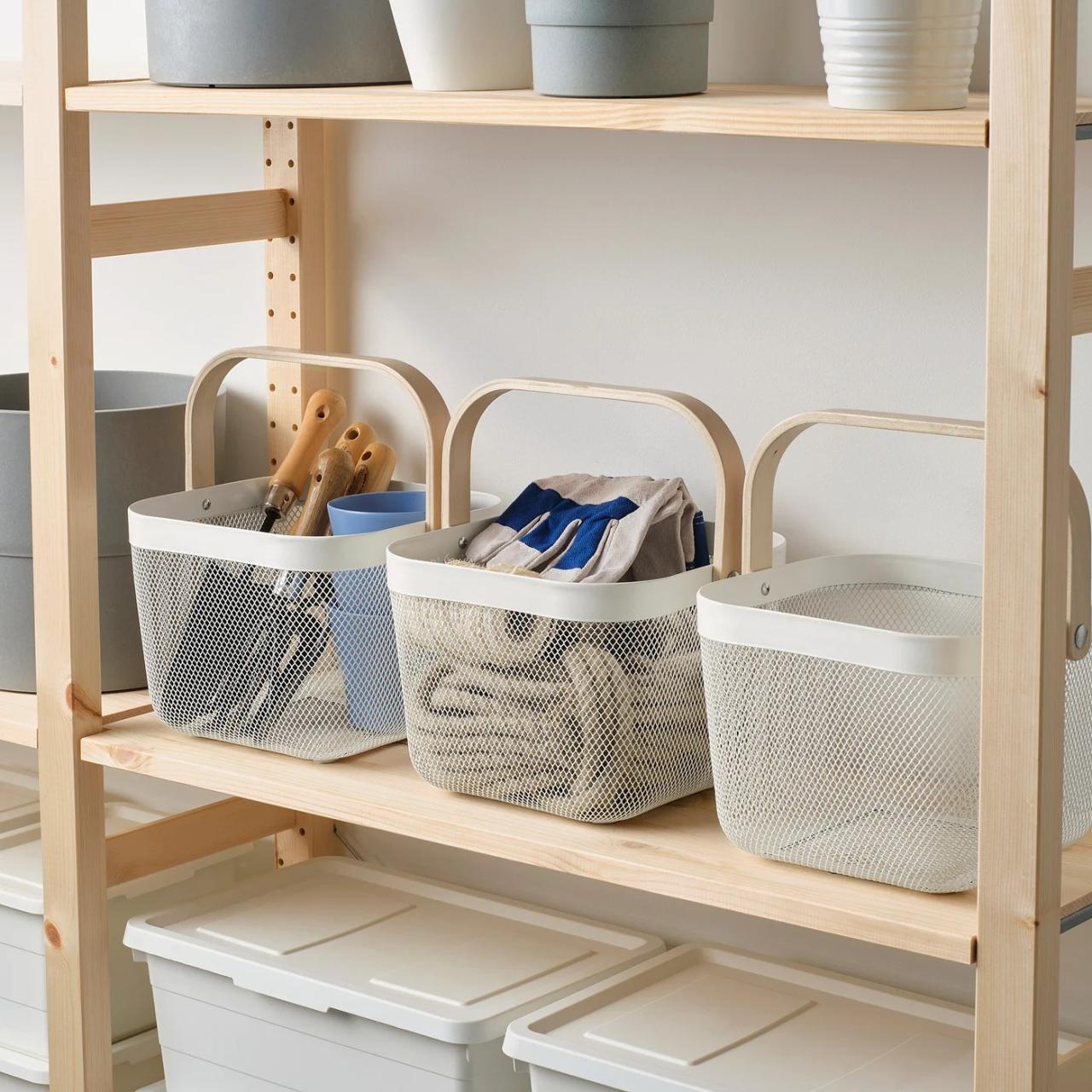
Icker baskets, with their intricate craftsmanship and often unique materials, require careful attention to maintain their aesthetic appeal and longevity. Proper maintenance extends their lifespan and preserves their cultural significance for future generations. Strategies for preservation range from simple cleaning routines to more involved restoration techniques.Preserving icker baskets involves understanding their inherent vulnerabilities to environmental factors, including moisture, sunlight, and pests.
Regular checks and appropriate preventative measures are crucial to maintaining the baskets’ structural integrity and decorative appeal. This section Artikels key methods for maintaining and preserving icker baskets.
Cleaning Procedures
Maintaining the cleanliness of icker baskets is essential to prevent the buildup of dirt, grime, and potentially damaging microorganisms. Cleaning methods should be gentle and avoid harsh chemicals that could compromise the basket’s materials.
- Regular dusting with a soft brush or cloth is often sufficient for removing surface dust and debris. Avoid using abrasive materials that could scratch or damage the delicate weaves.
- For more stubborn stains, a damp cloth or sponge with a mild, pH-neutral cleaning solution can be used. Avoid soaking the basket for extended periods, as this can lead to moisture damage. Always test the cleaning solution on an inconspicuous area first to ensure it doesn’t alter the color or texture of the material.
- Certain materials, such as bamboo or reeds, might require specific cleaning solutions. Consult with local artisans or experts familiar with the basket’s construction to determine the most appropriate cleaning method.
Preventing Damage
Proactive measures to prevent damage are just as important as cleaning. Understanding the potential threats and implementing preventative strategies will significantly extend the lifespan of icker baskets.
- Store icker baskets in a cool, dry, and well-ventilated environment, away from direct sunlight and excessive humidity. These conditions minimize the risk of mold growth and warping.
- Protect the baskets from pests by inspecting them regularly for signs of infestation and implementing appropriate pest control measures. Proper storage in sealed containers can also deter insects and rodents.
- Avoid placing icker baskets near heat sources or areas with high temperature fluctuations, as these can cause the materials to dry out or warp.
Restoration Techniques
In cases of significant damage, restoration techniques can be employed to revive the basket’s condition. These methods vary depending on the nature and extent of the damage.
- Minor repairs, such as replacing broken weaves or mending loose threads, can often be handled by skilled artisans. Consult with experts for appropriate restoration techniques that preserve the original aesthetic.
- For more extensive damage, professional basketry restoration services may be necessary. These professionals possess the expertise to assess the damage and employ specialized techniques to restore the basket’s structural integrity and original beauty.
Preservation Guide
To ensure the continued enjoyment and cultural value of icker baskets for future generations, a simple preservation guide can be implemented.
- Regular Inspection: Conduct regular visual inspections to detect any signs of damage, such as cracks, warping, or pest infestations. Document these observations for future reference.
- Proper Storage: Store baskets in a cool, dry, and well-ventilated area, away from direct sunlight and extreme temperatures. Use acid-free tissue paper or archival-quality materials to protect the baskets during storage.
- Environmental Control: Maintain a stable environment with consistent temperature and humidity levels. Use appropriate humidity control measures to prevent moisture damage.
- Professional Consultation: Consult with experienced basketry restorers or conservators for any significant damage or concerns. Professional intervention can help maintain the basket’s condition for many years to come.
Icker Basket Craftsmanship
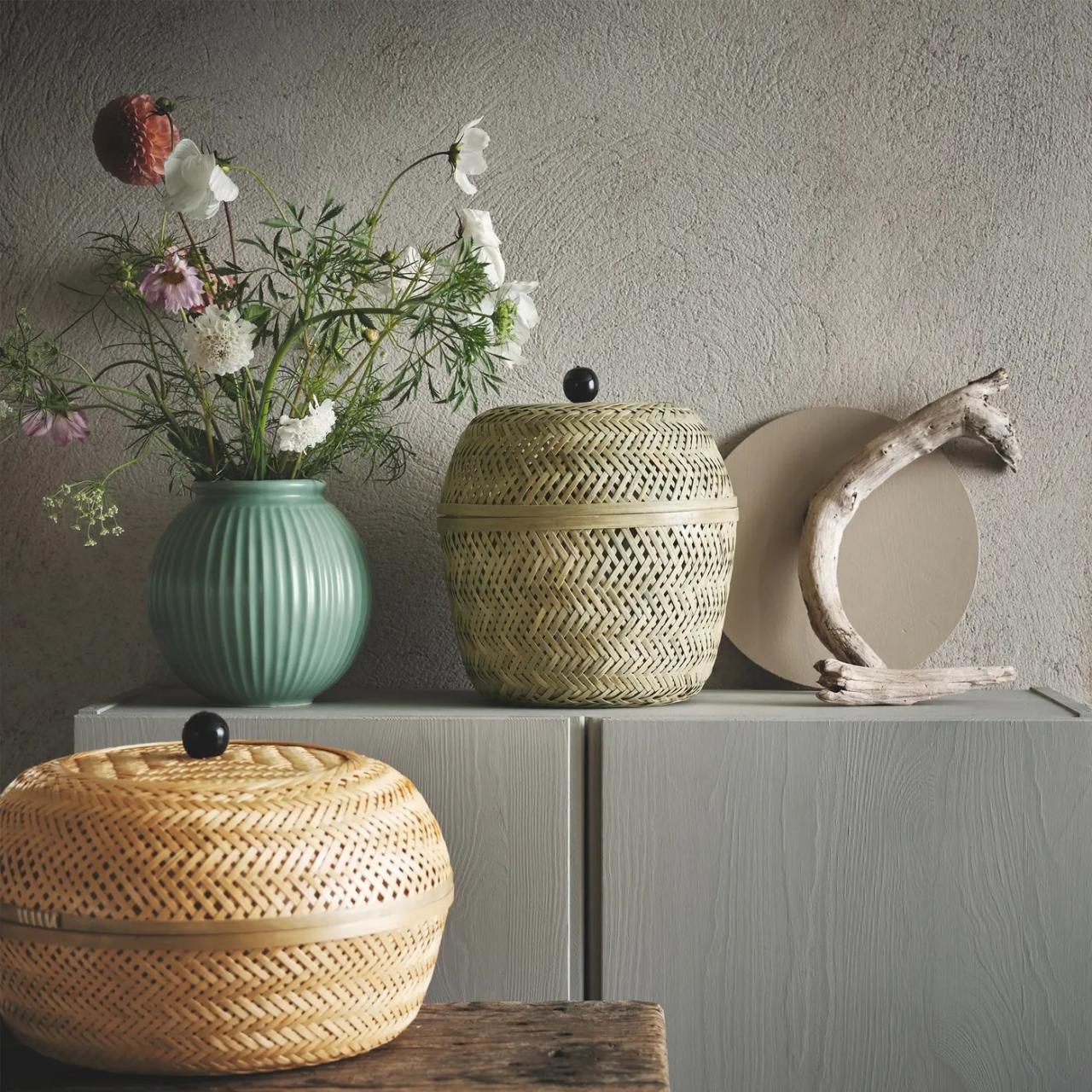
Icker basket making transcends mere practicality; it’s a testament to the intricate skills and cultural heritage embedded within the craft. The creation of these baskets requires a deep understanding of materials, precise techniques, and an appreciation for the historical significance of the design. This meticulous process is not just about producing a functional object; it’s about preserving a legacy through skilled hands.
Skills and Knowledge Required
The creation of icker baskets demands a comprehensive understanding of material properties. Artisans must be adept at recognizing the strengths and weaknesses of various icker materials, understanding how they respond to different treatments. This includes knowledge of the optimal harvesting times, proper drying and preparation methods, and the ability to discern quality variations within the raw material. Furthermore, mastery of traditional knot-tying techniques and weaving patterns is crucial for producing strong, aesthetically pleasing baskets.
Geometric patterns and symmetrical arrangements often form the basis of icker basket designs, requiring an understanding of mathematical principles.
Training and Apprenticeship Processes
Traditional icker basket making often involves a rigorous apprenticeship system. Young apprentices, typically members of the community, are guided by experienced artisans. This mentorship fosters the transfer of knowledge and techniques across generations, ensuring the continuity of the craft. Apprenticeship periods can vary significantly depending on the specific community and the complexity of the desired skills. Crucial aspects of the apprenticeship include learning proper handling of tools, understanding the properties of icker, and mastering various weaving techniques.
Role of Artisans and Contributions to Icker Basket Traditions
Icker basket artisans play a vital role in maintaining and propagating cultural traditions. Their expertise extends beyond simply crafting baskets; they are keepers of historical knowledge, preserving and passing down techniques that have been honed over centuries. Artisans often use icker basket making as a means of economic support, providing a livelihood and cultural expression within their communities.
Their contributions extend beyond the functional and aesthetic; they uphold cultural identity and continuity.
Tools and Equipment for Icker Basket Making
The process of creating icker baskets necessitates a specific set of tools and equipment. This ensures precision, efficiency, and the preservation of the basket’s structural integrity. The essential tools vary based on the specific basket design and the complexity of the weaving patterns, but some common tools include:
- Knives and Blades: Sharp knives are essential for precise cutting of icker materials and for shaping and trimming the basket form. Different types of knives might be required depending on the specific icker type and the desired finish.
- Weaving Tools: Specific tools, such as weaving needles or awls, are essential for interlacing the icker strands. The selection and design of these tools significantly impact the speed and quality of the weaving process.
- Measuring Tools: Accurate measurements are crucial for creating symmetrical and proportional designs. Rulers, compasses, or even hand-crafted measuring tools might be used for ensuring consistent dimensions and proportions.
- Other Materials: Depending on the design, other materials like twine, rope, or thread might be required for securing the basket structure or adding decorative elements.
Modern Adaptations
Icker baskets, traditionally crafted for specific cultural and practical purposes, are experiencing a renaissance in contemporary design. Modern interpretations are reimagining these time-honored vessels, adapting them to contemporary lifestyles and aesthetics. This shift reflects a growing appreciation for handcrafted artistry and a desire for functional yet stylish home décor.These adaptations aren’t simply cosmetic; they incorporate modern materials and construction techniques to enhance the baskets’ practicality and durability.
The result is a fascinating fusion of tradition and innovation, allowing icker baskets to seamlessly integrate into modern settings.
Modern Design Interpretations
Modern icker basket designs often incorporate sleek lines and minimalist aesthetics. Instead of the intricate patterns of traditional designs, contemporary interpretations favor clean silhouettes and muted color palettes. This allows the inherent beauty of the materials themselves to take center stage.
Modified Design Elements for Modern Applications
Several key design elements have been modified for modern applications. Handles, for instance, have been streamlined to improve ergonomics and visual appeal. Basket sizes have been adjusted to accommodate contemporary storage needs, from smaller, decorative pieces to larger, utility-focused options. Materials are often chosen for their durability and low maintenance, balancing the traditional aesthetic with contemporary practicality.
Table of Modern Icker Basket Designs
| Design Name | Dimensions (L x W x H) | Materials | Features |
|---|---|---|---|
| “Urban Oasis” | 20″ x 15″ x 10″ | Rattan, treated wood | Sleek profile, integrated handles, durable construction, ideal for storage. |
| “Coastal Breeze” | 12″ x 8″ x 6″ | Seagrass, natural twine | Lightweight, woven design, natural tones, suitable for small decorative items or bathroom storage. |
| “Modern Farmhouse” | 18″ x 12″ x 8″ | Water Hyacinth, linen | Rustic-modern aesthetic, natural textures, versatile storage for living room or kitchen. |
| “Geometric Chic” | 10″ x 10″ x 5″ | Bamboo, recycled plastic | Intricate geometric patterns, durable and eco-conscious, perfect for small plants or decorative objects. |
Comparison with Similar Items
Icker baskets, with their intricate craftsmanship and unique design, stand apart within the broader category of woven containers. Understanding their distinctions from comparable basket types provides crucial insight into their cultural and functional significance. This comparison highlights the specific attributes that set icker baskets apart, including material choices, construction techniques, and intended uses.Distinguishing icker baskets from other basket types requires a nuanced examination of their inherent qualities.
While various basket types share the common thread of weaving, the specific materials, construction methods, and aesthetic expressions differentiate them. The functionality of icker baskets also varies depending on the intended use, which may be contrasted with similar baskets designed for different purposes.
Material Differences
The selection of materials significantly impacts the final product. Icker baskets often utilize locally sourced, sustainable plant fibers, like rattan or bamboo. This contrasts with other basket types, such as those made from synthetic materials, which may lack the inherent strength and durability of natural fibers. The unique properties of these chosen materials directly influence the basket’s overall aesthetic appeal and longevity.
Construction Techniques
Icker basket construction frequently employs intricate weaving patterns that are specific to the craft’s tradition. This intricate technique contrasts with simpler weaving methods found in other basket types, leading to varied aesthetic and structural outcomes. The distinctive construction of icker baskets is further emphasized by the unique tools and techniques employed, highlighting the cultural significance embedded in the craft.
Aesthetic Qualities
Icker baskets exhibit a particular aesthetic, often characterized by their intricate designs and vibrant colors. This contrasts with the more straightforward designs of other basket types. The aesthetic choices made in icker basket creation reflect cultural preferences and traditions. The intricate patterns and unique color palettes set them apart.
Functionality and Applications
Icker baskets’ function varies, but they are frequently used for carrying and storing items. The comparison with other basket types shows how the unique features of icker baskets dictate their application. For example, while some baskets are primarily for storage, icker baskets might be used for ceremonial purposes or as decorative pieces, reflecting a wider cultural context.
Comparative Table of Basket Types
| Basket Type | Materials | Construction | Aesthetic Qualities | Functionality |
|---|---|---|---|---|
| Icker Baskets | Locally sourced plant fibers (e.g., rattan, bamboo) | Intricate weaving patterns, specific techniques | Intricate designs, vibrant colors, often culturally symbolic | Carrying, storing, ceremonial/decorative |
| Coastal Wicker Baskets | Seagrass, reeds, other plant fibers | Simple, open weave | Natural, often neutral colors, less intricate design | Storage, carrying, often for fishing or collecting |
| Rattan Baskets | Rattan stems | Various weaves, often with a focus on strength | Natural color, simple designs, strong construction | Storage, carrying, durable containers |
Summary
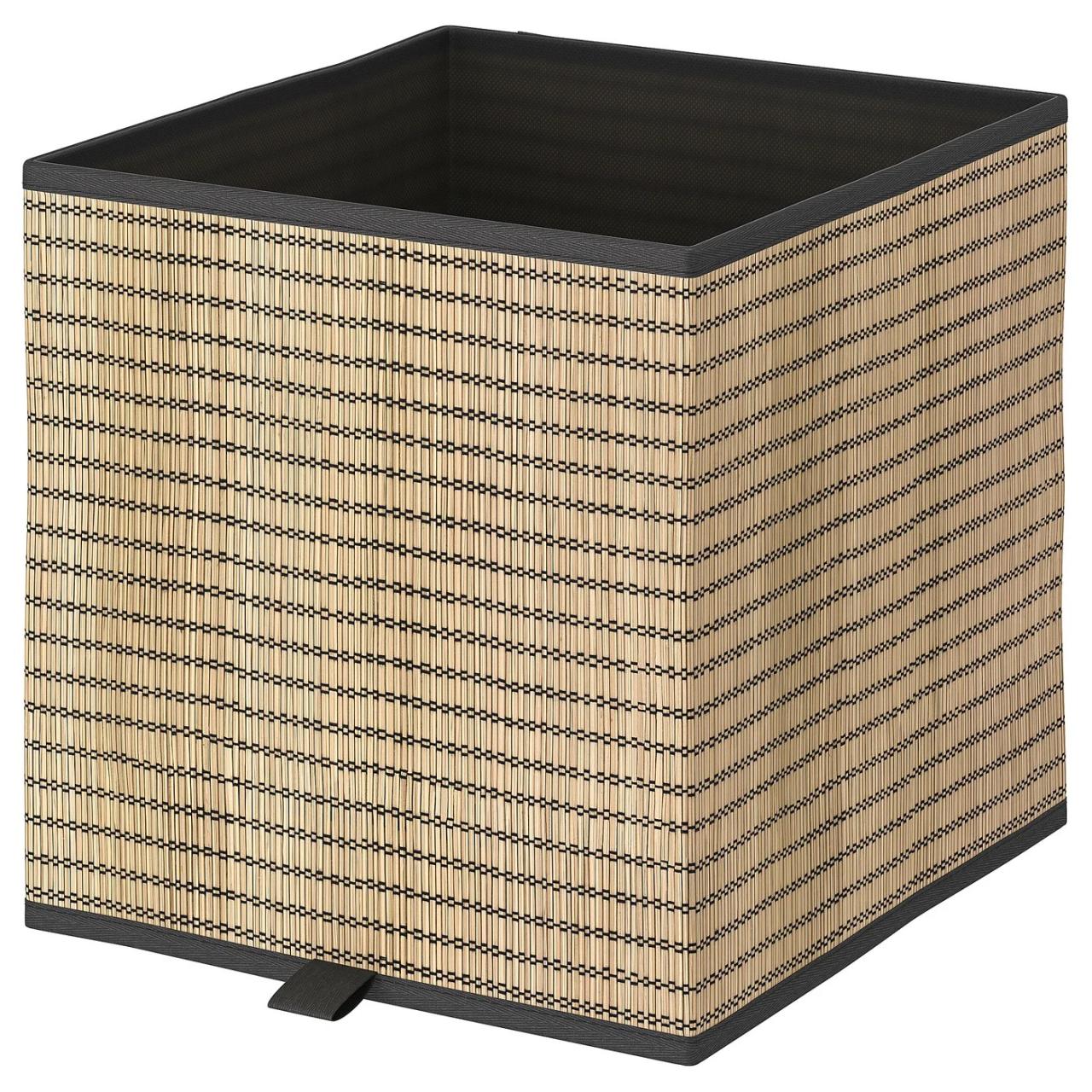
In conclusion, icker baskets are more than just containers; they are cultural artifacts reflecting history, craftsmanship, and community values. Their enduring presence, from ancient traditions to modern adaptations, underscores their profound significance in human societies. This exploration has highlighted the intricate beauty and enduring appeal of these remarkable creations.
