
Financial analyst jobs are the linchpin of modern finance, the unseen architects of corporate health and investment strategy. These professionals, armed with a potent mix of analytical prowess and financial acumen, navigate the complex currents of the market, offering critical insights that steer businesses and investments towards success. Their work is a blend of rigorous analysis, strategic forecasting, and meticulous reporting, all aimed at optimizing financial performance and mitigating risk.
From evaluating investment opportunities and crafting budgets to forecasting future financial performance and identifying potential risks, financial analysts play a pivotal role in shaping financial strategies. This comprehensive exploration delves into the core responsibilities, required qualifications, specializations, tools, and the current job market landscape for financial analysts. We will examine the educational pathways, certifications, and career progression, offering a complete guide to understanding and succeeding in this dynamic field.
Exploring the Core Responsibilities of Individuals in Financial Analyst Roles
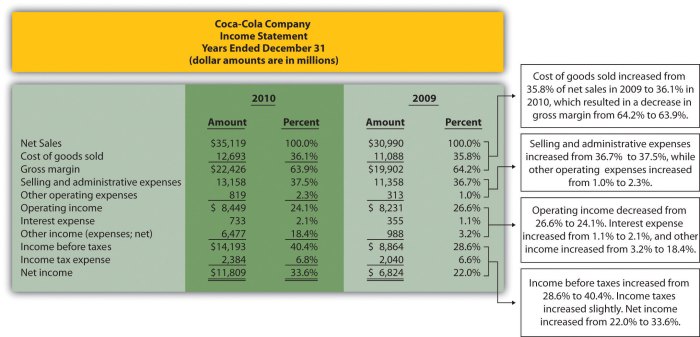
Financial analysts play a critical role in the financial health and strategic decision-making of organizations. They are responsible for evaluating financial data, providing insights, and making recommendations that drive profitability and efficiency. Their work spans various functions, from investment analysis to budgeting and forecasting, contributing significantly to a company’s overall financial performance.
Primary Duties and Tasks of Financial Analysts
Financial analysts perform a diverse range of tasks, each contributing to the overall financial well-being of the organization. Their responsibilities often evolve based on the industry and the specific needs of the company.
- Financial Modeling and Analysis: Analysts build and maintain financial models to forecast future performance, assess investment opportunities, and evaluate the impact of various business decisions. This involves analyzing historical data, identifying trends, and projecting future revenues, expenses, and cash flows.
- Budgeting and Forecasting: A key responsibility is the development and management of budgets and financial forecasts. This includes working with different departments to gather information, preparing budget proposals, and monitoring actual performance against the budget. Analysts also conduct variance analysis to explain any discrepancies between budgeted and actual figures.
- Investment Analysis: Analysts evaluate investment opportunities, such as mergers and acquisitions, capital projects, and new product launches. This involves conducting due diligence, assessing the financial viability of potential investments, and making recommendations to management. They use various valuation techniques, such as discounted cash flow (DCF) analysis, to determine the intrinsic value of investments.
- Performance Reporting and Monitoring: Analysts prepare financial reports and presentations for management, highlighting key financial metrics and performance indicators. They monitor financial performance against targets, identify areas of concern, and provide recommendations for improvement. This often involves the use of key performance indicators (KPIs) to track progress.
- Market Research and Competitive Analysis: Staying informed about market trends and competitor activities is crucial. Analysts conduct market research, analyze industry dynamics, and assess the competitive landscape to inform strategic decision-making. This includes monitoring economic indicators, industry reports, and competitor financial statements.
These tasks collectively ensure that organizations make informed financial decisions, optimize resource allocation, and achieve their financial goals. For example, a financial analyst at a technology company might analyze the profitability of a new software product, forecast its future sales, and recommend adjustments to the marketing budget based on the analysis. In the energy sector, an analyst might assess the financial feasibility of a new wind farm project, considering factors such as construction costs, energy prices, and government incentives.
Essential Skills and Competencies for Financial Analysts
Success in a financial analyst role demands a combination of technical expertise and soft skills. These competencies enable analysts to effectively analyze financial data, communicate insights, and contribute to strategic decision-making.
- Technical Skills: A strong foundation in financial accounting, corporate finance, and financial modeling is essential.
- Financial Accounting: Understanding of accounting principles (GAAP or IFRS) is crucial for interpreting financial statements.
- Corporate Finance: Knowledge of financial concepts such as valuation, capital budgeting, and risk management is necessary.
- Financial Modeling: Proficiency in building and using financial models in Excel and other software is fundamental. For example, building a discounted cash flow (DCF) model to value a company.
- Analytical Skills: The ability to analyze complex financial data, identify trends, and draw meaningful conclusions is critical.
- Data Analysis: Ability to collect, analyze, and interpret large datasets using tools like Excel, SQL, and data visualization software.
- Problem-Solving: Identifying and resolving financial issues, such as variances in budget or discrepancies in financial statements.
- Critical Thinking: Evaluating information objectively and making informed decisions based on the analysis.
- Communication Skills: Effective communication is vital for conveying financial information to both financial and non-financial stakeholders.
- Written Communication: Preparing clear and concise reports, presentations, and memos.
- Verbal Communication: Presenting findings and recommendations to management and other stakeholders.
- Active Listening: Understanding the needs and perspectives of stakeholders to tailor communication effectively.
- Soft Skills: These skills enhance collaboration, leadership, and adaptability.
- Attention to Detail: Ensuring accuracy in financial analysis and reporting.
- Time Management: Prioritizing tasks and meeting deadlines in a fast-paced environment.
- Teamwork: Collaborating effectively with colleagues across different departments.
- Adaptability: Adjusting to changing priorities and market conditions.
For instance, a financial analyst working on a merger and acquisition (M&A) deal needs strong technical skills to perform valuation analysis, analytical skills to assess the target company’s financial performance, and communication skills to present findings to senior management. They also require soft skills like attention to detail to ensure the accuracy of the financial models and adaptability to manage changing deal terms.
Financial Modeling Techniques and Tools Used by Financial Analysts
Financial analysts leverage a variety of modeling techniques and tools to evaluate investment opportunities, create budgets, and forecast future financial performance. The specific tools and techniques used depend on the nature of the analysis and the specific industry.
- Discounted Cash Flow (DCF) Analysis: This valuation method estimates the present value of future cash flows to determine the intrinsic value of an investment.
Formula: Present Value = CF1/(1+r) + CF2/(1+r)^2 + … + CFn/(1+r)^n + Terminal Value/(1+r)^n
Where: CF = Cash Flow, r = Discount Rate, n = Number of Periods. A real-world example is valuing a publicly traded company like Apple, using its projected free cash flows.
- Comparable Company Analysis: This involves comparing the financial ratios and multiples of a company to those of its peers to determine its valuation. Analysts compare metrics such as price-to-earnings (P/E) ratios, price-to-sales (P/S) ratios, and enterprise value-to-EBITDA (EV/EBITDA) multiples.
- Budgeting and Forecasting Models: These models are used to create budgets, forecast future revenues, expenses, and cash flows. They often involve scenario analysis to assess the impact of different economic conditions or business decisions. For example, a retail company might use a sales forecasting model that considers factors such as historical sales data, seasonal trends, and marketing campaigns.
- Sensitivity Analysis: This technique assesses how changes in key assumptions, such as revenue growth or discount rates, affect the financial results. It helps analysts understand the range of possible outcomes and the sensitivity of the model to different variables. For example, a sensitivity analysis can reveal how changes in oil prices affect the profitability of an energy company.
- Tools: Financial analysts heavily rely on Microsoft Excel, often used for building and manipulating financial models. They may also utilize specialized financial modeling software such as Bloomberg Terminal, FactSet, or more advanced tools like Python or R for data analysis and model development.
These tools and techniques are essential for providing financial insights, supporting investment decisions, and ensuring the financial health of an organization. A real-world application can be seen in the airline industry, where analysts use sophisticated forecasting models to predict passenger demand, fuel costs, and other factors affecting profitability.
Investigating the Educational Pathways and Qualifications Required for Entry
The path to becoming a financial analyst is often paved with a strong foundation in specific academic disciplines. While a degree alone does not guarantee success, it provides the essential knowledge and skills necessary for navigating the complexities of the financial world. Beyond the classroom, aspiring analysts must consider professional certifications to enhance their credentials and career prospects. Understanding the typical career progression, from entry-level positions to more senior roles, is also crucial for long-term planning.
Educational Backgrounds and Degrees for Financial Analysts
A solid educational foundation is paramount for aspiring financial analysts. The preferred and required degrees often reflect the quantitative and analytical nature of the profession.
Common educational backgrounds include:
- Bachelor’s Degree in Finance: This is the most direct route. Finance programs provide a comprehensive understanding of financial markets, investment strategies, corporate finance, and financial modeling. Students learn to analyze financial statements, assess risk, and make investment recommendations.
- Bachelor’s Degree in Accounting: Accountants are responsible for the recording, classifying, and summarizing of financial transactions. Accounting degrees equip individuals with a strong understanding of financial statements, accounting principles (such as GAAP or IFRS), and internal controls, skills crucial for financial analysis.
- Bachelor’s Degree in Economics: Economics programs provide a broad understanding of economic principles, market dynamics, and statistical analysis. Economists study how societies allocate scarce resources. This knowledge is invaluable for understanding macroeconomic trends, industry analysis, and forecasting.
- Bachelor’s Degree in Mathematics or Statistics: These degrees emphasize quantitative skills, statistical modeling, and data analysis. These are vital for financial modeling, risk management, and portfolio construction. Strong analytical skills and proficiency in programming languages like Python or R are increasingly important.
- Bachelor’s Degree in Business Administration (with a Finance Concentration): This offers a broader business perspective, covering areas like marketing, management, and operations, in addition to finance. A finance concentration allows for specialization in areas relevant to financial analysis.
These fields are relevant because they provide the core competencies needed to succeed. Finance and accounting degrees provide the most direct technical skills. Economics provides an understanding of the broader economic environment. Mathematics and statistics equip analysts with the tools for quantitative analysis. The business administration degree offers a broader view.
Professional Certifications for Financial Analysts
Professional certifications significantly enhance the career prospects of financial analysts, demonstrating a commitment to professional development and a mastery of specific skills.
Several certifications are highly regarded:
- Chartered Financial Analyst (CFA) Charter: This is the most recognized and respected certification in the investment management industry. It is offered by the CFA Institute. The CFA program covers a broad range of topics, including investment tools, asset valuation, portfolio management, and wealth management.
- Benefits: The CFA charter is globally recognized, enhances credibility, increases earning potential, and opens doors to more senior roles. CFA charterholders are often preferred by employers, particularly in investment banking, asset management, and hedge funds.
- Requirements: Candidates must pass three rigorous exams, have four years of qualified work experience, and adhere to the CFA Institute’s Code of Ethics and Standards of Professional Conduct. Each exam covers a specific body of knowledge and requires significant study time. The exam structure includes multiple-choice questions and essay-style responses.
- Certified Public Accountant (CPA): While primarily for accountants, the CPA certification is valuable for financial analysts, particularly those working in corporate finance or financial reporting.
- Benefits: The CPA designation signifies expertise in accounting, auditing, and tax, providing a strong understanding of financial statements and regulatory requirements.
- Requirements: Candidates must pass the Uniform CPA Examination, meet educational requirements (typically a bachelor’s degree with a certain number of accounting credits), and fulfill work experience requirements.
- Financial Risk Manager (FRM): Offered by the Global Association of Risk Professionals (GARP), the FRM certification focuses on risk management, covering topics such as market risk, credit risk, operational risk, and investment risk.
- Benefits: FRM certification is highly valued in the risk management field. It demonstrates expertise in identifying, assessing, and mitigating financial risks.
- Requirements: Candidates must pass two exams and have two years of relevant work experience.
- Other Certifications: Other certifications, such as the Chartered Alternative Investment Analyst (CAIA) and Certified Management Accountant (CMA), can also be beneficial, depending on the specific career path. The CAIA focuses on alternative investments, while the CMA focuses on management accounting.
Typical Career Progression for a Financial Analyst
The career path of a financial analyst typically progresses through several stages, each with increasing responsibilities and salary expectations. The specific titles and responsibilities may vary depending on the industry, company size, and specialization.
Here is an overview of the typical career progression:
- Entry-Level Financial Analyst:
- Responsibilities: Performing financial modeling, analyzing financial statements, preparing reports, assisting with budgeting and forecasting, and conducting market research.
- Salary Expectations: Entry-level salaries can range from $60,000 to $80,000 per year, depending on location, education, and experience.
- Financial Analyst/Senior Financial Analyst:
- Responsibilities: Taking on more complex projects, leading financial analysis, developing financial models, providing investment recommendations, and presenting findings to management. They may also supervise junior analysts.
- Salary Expectations: Salaries typically range from $80,000 to $120,000 per year, depending on experience and performance.
- Financial Manager/Analyst Manager:
- Responsibilities: Managing a team of analysts, overseeing budgeting and forecasting processes, developing financial strategies, and making investment decisions. They often have significant decision-making authority.
- Salary Expectations: Salaries can range from $120,000 to $180,000 or more per year, depending on the size of the company and the scope of responsibilities.
- Director of Finance/Financial Planning and Analysis (FP&A) Director:
- Responsibilities: Leading the finance department, developing long-term financial strategies, overseeing financial planning and analysis, and managing relationships with investors and stakeholders.
- Salary Expectations: Salaries can range from $180,000 to $250,000 or more per year, often including bonuses and stock options.
- Chief Financial Officer (CFO):
- Responsibilities: The highest-ranking financial officer in the company, responsible for all financial aspects of the organization, including financial strategy, financial reporting, risk management, and investor relations.
- Salary Expectations: CFO salaries can be very high, often exceeding $250,000 per year, with significant bonuses and equity compensation. Salaries vary based on company size and performance.
It is important to note that these salary figures are estimates and can vary based on experience, location, industry, and the specific company. For instance, financial analysts in New York City or London might command higher salaries compared to those in smaller cities. Furthermore, specialization within finance, such as investment banking or hedge funds, often leads to higher compensation packages.
Comparing and Contrasting Different Types of Financial Analyst Specializations

Financial analysts play a crucial role in the financial health of organizations, but their specific responsibilities and career paths can vary significantly depending on their area of specialization. Understanding these distinctions is vital for aspiring analysts and those seeking to advance their careers. This segment will delve into the contrasting roles within corporate finance and investment banking, followed by an exploration of specialized areas such as equity research, portfolio management, and risk management, and finally, a review of industries that commonly employ financial analysts.
Comparing Corporate Finance and Investment Banking
Corporate finance and investment banking represent two distinct yet interconnected avenues for financial analysts. While both involve financial analysis, their day-to-day activities, career paths, and overall objectives differ considerably.
Financial analysts in corporate finance typically work within a company, focusing on internal financial planning, budgeting, forecasting, and capital allocation. Their primary goal is to optimize the financial performance of the organization. Their day-to-day activities often include:
- Analyzing financial statements to assess performance.
- Developing and monitoring budgets.
- Creating financial models for forecasting and decision-making.
- Evaluating investment opportunities, such as capital expenditures.
- Managing relationships with lenders and other financial stakeholders.
Career paths in corporate finance often involve progressing to roles like senior financial analyst, finance manager, or chief financial officer (CFO).
In contrast, investment banking analysts work for financial institutions that advise companies on capital-raising activities (e.g., initial public offerings, or IPOs) and mergers and acquisitions (M&A). Their primary objective is to facilitate transactions for clients. Their daily tasks involve:
- Conducting due diligence on potential deals.
- Creating financial models to value companies.
- Preparing presentations for clients and investors.
- Negotiating deal terms.
- Staying abreast of market trends and industry developments.
Career paths in investment banking typically progress through the ranks of analyst, associate, vice president, and managing director. The hours are often long and the pressure is intense, but the potential for high compensation is significant. The focus is on deal-making and transaction execution.
Detailing the Tools and Technologies Utilized by Professionals in the Field
Financial analysts rely heavily on a diverse toolkit of software and technology to perform their duties efficiently and effectively. These tools are essential for data analysis, financial modeling, market research, and the overall decision-making process. The selection and proficiency in using these technologies are critical for success in the field.
Financial Modeling and Analysis Software
Financial analysts utilize specialized software to create and analyze financial models. These models are crucial for forecasting, valuation, and investment analysis.
- Microsoft Excel: Excel remains a cornerstone, offering a versatile platform for data manipulation, formula creation, and basic modeling. Its accessibility and widespread use make it a fundamental skill. The ability to use Excel’s functions, such as
VLOOKUP,INDEX, andMATCH, is critical for efficient data retrieval and analysis. - Specialized Financial Modeling Software: Software like Oracle’s Hyperion, or Anaplan provides more advanced features for complex financial modeling, scenario planning, and consolidation. These tools often integrate with other enterprise systems, streamlining data flow and reporting.
- Examples of Application: Analysts use financial modeling software to project a company’s future cash flows based on revenue forecasts, expense assumptions, and capital expenditure plans. They then discount these cash flows to arrive at a present value, which is a key component in determining the company’s valuation.
Data Visualization Tools
Data visualization tools are essential for presenting complex financial information in a clear and understandable format. These tools help analysts communicate their findings effectively to stakeholders.
- Tableau and Power BI: These platforms enable analysts to create interactive dashboards, charts, and graphs. They facilitate the identification of trends, patterns, and outliers within large datasets. For instance, a financial analyst can use Power BI to visualize a company’s sales performance across different regions, highlighting areas of strong growth or decline.
- Data Visualization Capabilities: These tools support the creation of a wide range of visualizations, including bar charts, line graphs, scatter plots, and heat maps. They also allow for the incorporation of interactive elements, such as drill-down capabilities, enabling users to explore data in more detail.
- Benefits of Data Visualization: Data visualization aids in communicating complex financial information in a way that is easily understood by non-financial professionals. This is crucial for presenting investment recommendations, performance reports, and other critical financial information to management and clients.
Market Data Platforms
Market data platforms provide access to real-time and historical financial data, which is essential for investment analysis, portfolio management, and risk assessment.
- Bloomberg Terminal and Refinitiv Eikon: These are industry-leading platforms that provide comprehensive market data, news, and analytics. They offer access to a wide range of financial instruments, including stocks, bonds, currencies, and derivatives.
- Data and Analytics Features: These platforms offer advanced features such as financial news feeds, economic indicators, and analyst ratings. They also provide tools for screening investments, creating custom reports, and conducting portfolio analysis.
- Applications of Market Data: Analysts use these platforms to track market trends, monitor portfolio performance, and assess the impact of economic events on investment strategies. For example, a financial analyst might use Bloomberg Terminal to analyze the impact of a change in interest rates on a company’s bond yields.
Closing Notes

In conclusion, financial analyst jobs offer a challenging yet rewarding career path for those with a passion for finance and a knack for analysis. The field is constantly evolving, with new technologies and market trends shaping the demands on these professionals. From mastering essential skills and understanding the educational requirements to navigating the job market and pursuing career advancement, a financial analyst’s journey requires continuous learning and adaptability. As businesses and investment firms increasingly rely on data-driven decision-making, the demand for skilled financial analysts will continue to grow, making this a promising and dynamic career choice.
